Dilli Diary · Musings

Election time

Yesterday Delhi voted for their Loksabha candidate in phase 6. We managed to vote around 7:30am. We did not manage to move our name from North Delhi to South Delhi in time so our polling station was close to our old house, an hour drive away. It was too hot already at 8am. Not many people out to vote yet. Would have been earlier if people helping were not giving wrong information. Started with a voter coming out of a polling station gave me directions to the wrong school. Found the correct school. We had our booth and voter numbers ready, downloaded from the election commission website. But people inside the polling station were not trained to handle that so they were insisting I get a ‘parchi’. Then they insisted they will look through the entire list they had one name at a time. Sigh

It is not so difficult to find your booth and voter group number online if you have the EPIC number on the voter id card. Most people came there with their mobiles. If they knew how to find the booth number, the lines at the info counter would have been shorter. More information needs to be provided, a day before so people can come prepared. And then the people outside the booth need to be trained to handle this info, instead of looking it up one by one in the unending bundles of lists.

Last time I stood near the party tables telling people how to look at their records online. At peak hours it really helped cut down wait time. It is such a simple thing. Why are no parties or the election commission advertising it? Just a few lines added to the robo calls I got in the last 2 days would have helped.  

Parag had the same experience at the polling station he went to. But at his polling station, the people spreading misinformation were the citizens standing in the line. They sent 4 elderly people back asking them to get parachi when they already had their booth numbers. Today I talked with Somavati. She did not vote in South Delhi. They sent her back because she did not have ‘parchi’ She was devastated. She was skeptical to start with as she hadn’t received a ‘parchi’ this time or in last 2-3 years so her name was surely removed for some reason she thought. Had to explain that last election happened 5 years back. She remembered voting in that election.

Last time, I saw similar things outside Malikpur polling station. People dejected because they didn’t have ‘parchi’ and did not know if they had a right to vote. I stood outside the polling station helping people to find their name and polling booth online on the election commission website. I feel sad that I did not do something similar near our new place of residence this year.

The voter turn out was really low around 57% for Delhi. It is really sad. The heat wave is one of the culprits but so is this cumbersome process of finding polling station, booth etc. May be I can start something near my new home to create awareness a few days before the next election.

Musings

The Colonial Legacy

Nainital was in news end of April due to forest fires that came too close to the residences and the army campus. I explored more as we were planning to visit the Kumaon region in May. Realised that forest fires in the Garhwal and Kumaon region during this time are a regular occurance. It just ended up in news because it was out of control and threatened Nainital proper. The visual of the helicopter lifting water from Bhimtal to dump it on the forest fire was newsworthy.

Among a variety of reasons, some pointed the finger at miscreants, cattle grazers who set fire to prompt new grass, campers and tourists who accidently set fire; some talked about the weather this year – it has been a dry winter. No snow, no spring rains. Everything is dry. There was also a mention of pakistani elements sabotaging. Of course somebody has to bring up our neighbour. One thing was missing though, the fodder provided by the Chir trees and the history of it.

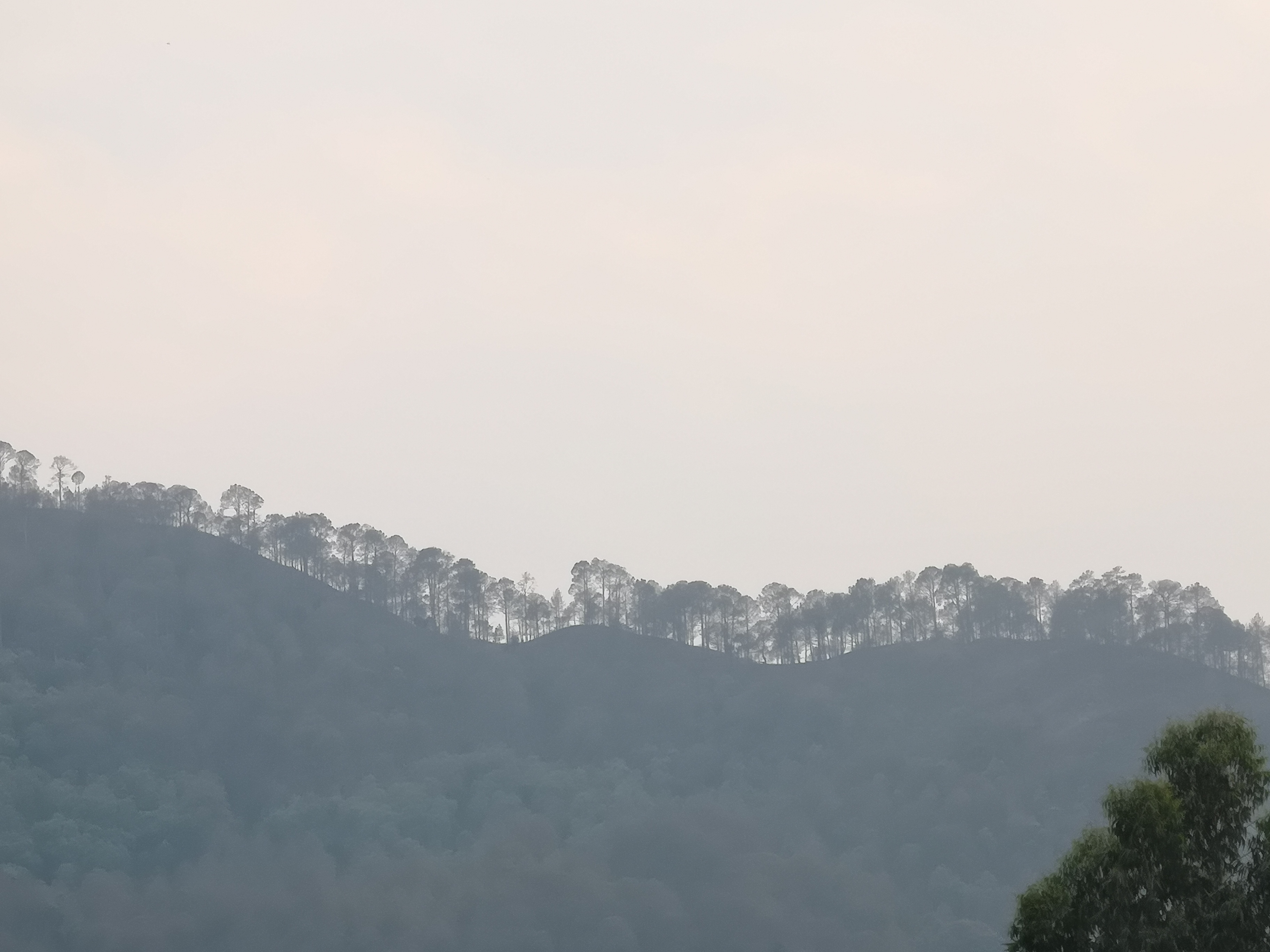
Chir or Pine, the straight tall trees, that create the beautiful picure perfect silhoute of the moutains are highly flamable. Their needles cathch fire very quickly. Our taxi driver said, the wet/green leaves/needles are flammable, once they are dry, it can be ignited with just a stone falling on another stone. We saw a demonstration immediately after at a rest stop. A driver (obviously an outsider) threw a cigarette butt and walked ahead, unaware of the fire ignited behind him.

The mono-culture of Pine (Pinus roxburghii) is a colonial legacy. It was grown for its straight wood and the resin. Kathgodam, the last train station, entry to the Kumaon region gets its name from this history. It was a depot that transported Pine from the hills to the seaport of Calcutta. When we were in the Garhwal region in the Fall, our treck guide had talked extensively about the nuisance that is the Pine tree. The tree does not allow any other tree to grow around it. It has shallow roots leading to soil erosion, it dries up land and makes it barren. The needles are flammable, cover the ground and makes it acidic so that nothing else grows on it. Rhododendron and the Banj Oak are two of the species that can push back. The Banj is a multiuse tree of the region. Offers shade, fodder for domestic animals, the leaf litter makes the land fertile, the cones are edible, branches are used as cooking fuel. However, its wood is not useful for furniture. It is also a slow growing tree. Thus over the years it has been replaced with the Pine.

This 200 year old story still haunts the hills every summer with forest fires. It has also made the soil increasingly dry and infertile, and the hill slopes barren.

Relevant Reading:

Dilli Diary · Musings

The International Book Fair

Yesterday we spent the whole day at the international book fair. It was heartening to see people from all ages and all walks of life engrossed in browsing and buying books. A lot of selfie points everywhere. People jostling to take ‘we were here’ photos. A lot of selfie points everywhere. People jostling to take photos with their kids. The Kashmir and Ladakh exhibit seemed popular for selfies rather than the display, unfortunately.

The exhibit was well done with respect to the information and the quality of display.
Would have been better off without the moving spotlights though

But then we also saw parents flocking to the children’s books section with their kids, young people’s excited chitchat about books they found, during our lunch break, we saw a kid browsing the book they bought.

People were also engaging with the interactive activities some stalls had set up as well as with street plays, and formal discussion forums. The interactive wall outside a stall got a lot of action. Many interesting quotes, names of books that changed people’s lives, with the usual spattering of ‘I love Madhu’

I was surprised to see pavillions from other countries. UAE and Turkey made a commendable effort to make it educational. Iran had books for sale. We got 2 about India during the British Raj. Very interesting to read about historical events from their perspective.

The author’s pavillion had interesting panels depicting timeline of major literary works as well as bios of well known authors and linguists.

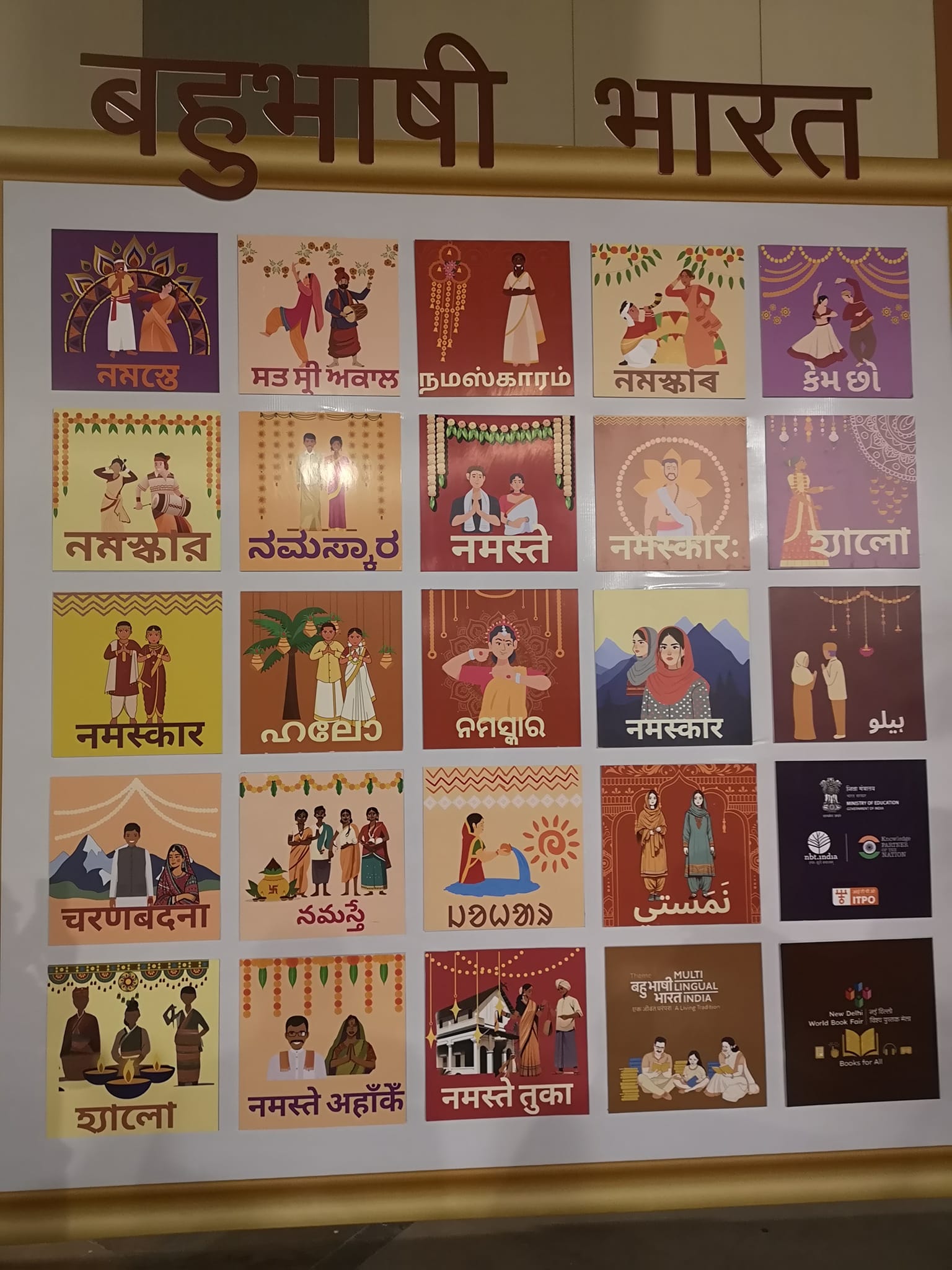
This was the only place the multilingual India was visible in addition to the decorative posters. The books or stalls of other languages were missing. Although, there was a lot of advertising about Bahubhashi Bharat everywhere, the collection did not quite reflect it.
It was more of a selfie point. I hope this sentiment is actually put in practice.

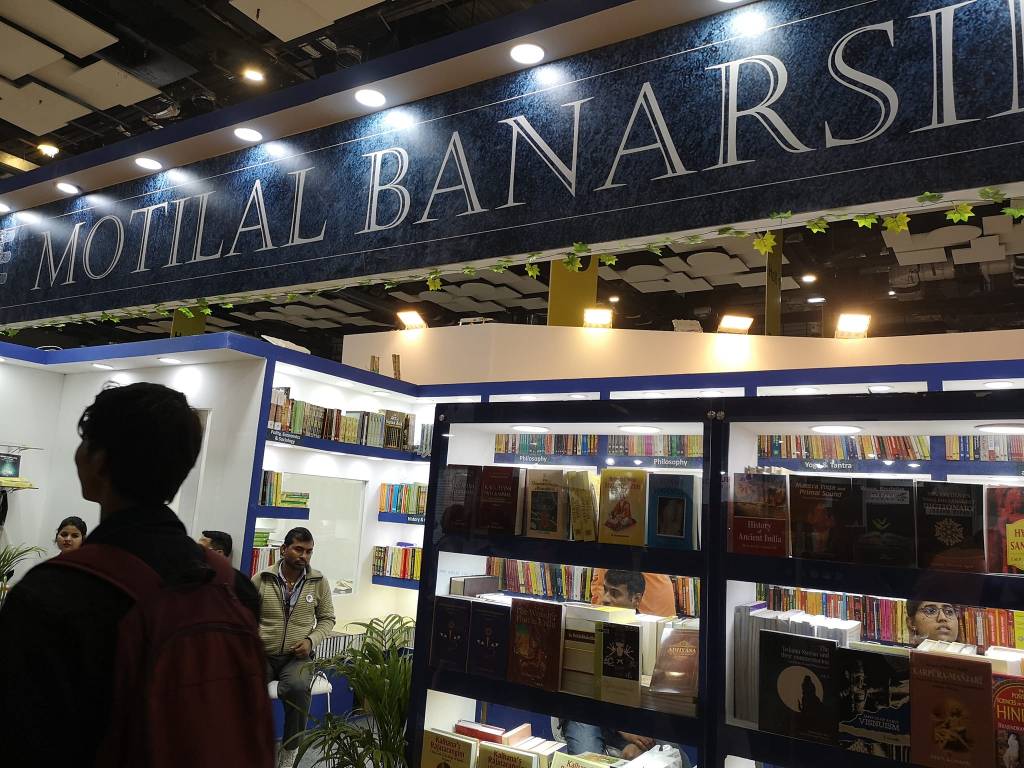
Got excited to see Motilal Banarsidas.
There was a time when we frequented International book store on Deccan to source their books, which were not always easy to get.
Scored a book on Syadvad and relativity, something I was looking for a long time.

Musings

येळवस

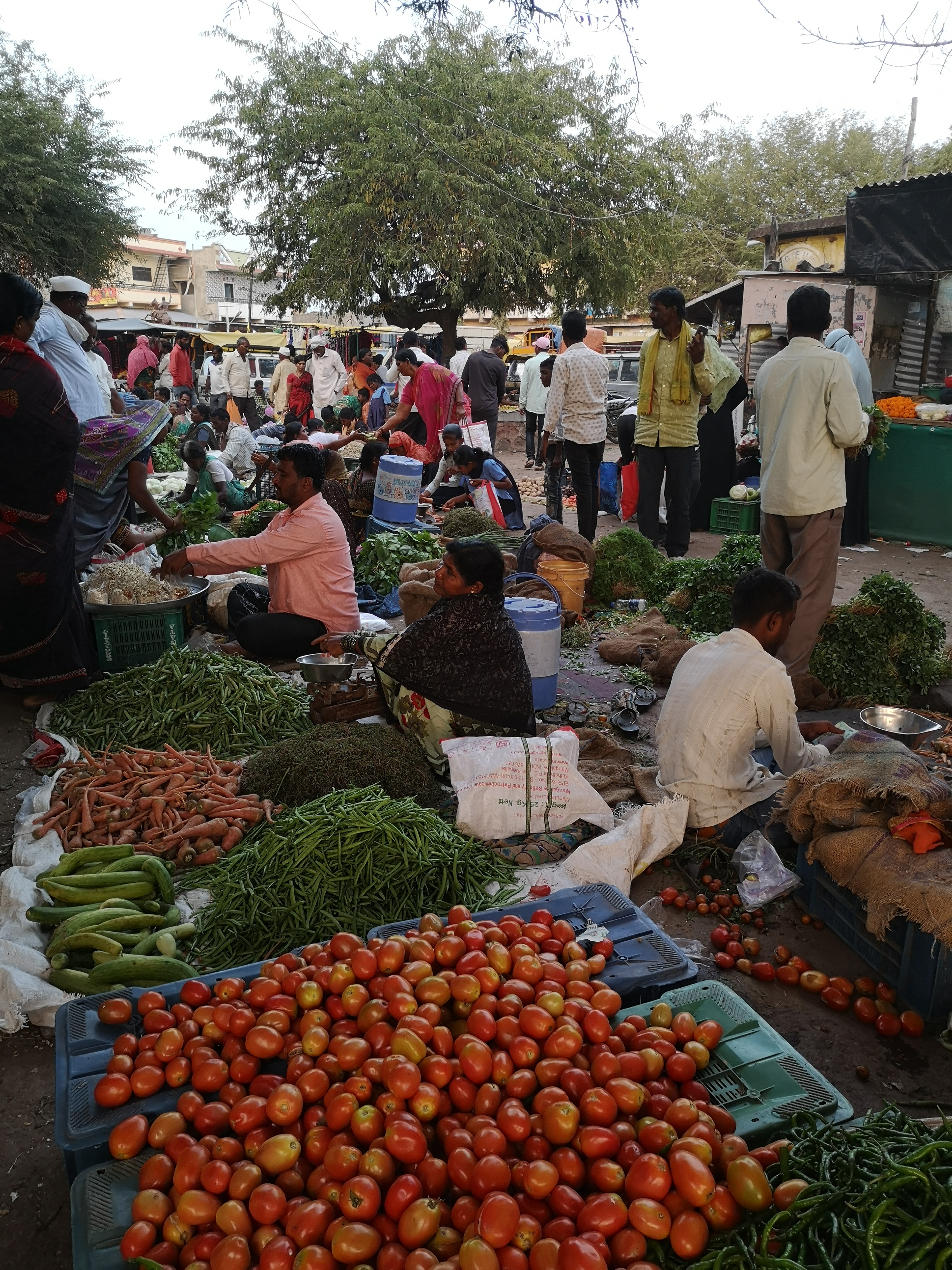
Vela Amavasya (वेळा अमावस्या or येळवस) is a major socio-religious event in Vidarbh, Marathwada region. This was my second time in Harali around this time. The excitement was palpable the whole week. The Anandshala meetings leading to it were planned keeping the event in mind. The Saturday before Vela Amavasya, the weekly meeting was wrapped up in time to visit the weekly bazar at Jalakot. In addition to the regular fare, the market was brimming with produce needed to cook the special dishes for the day.

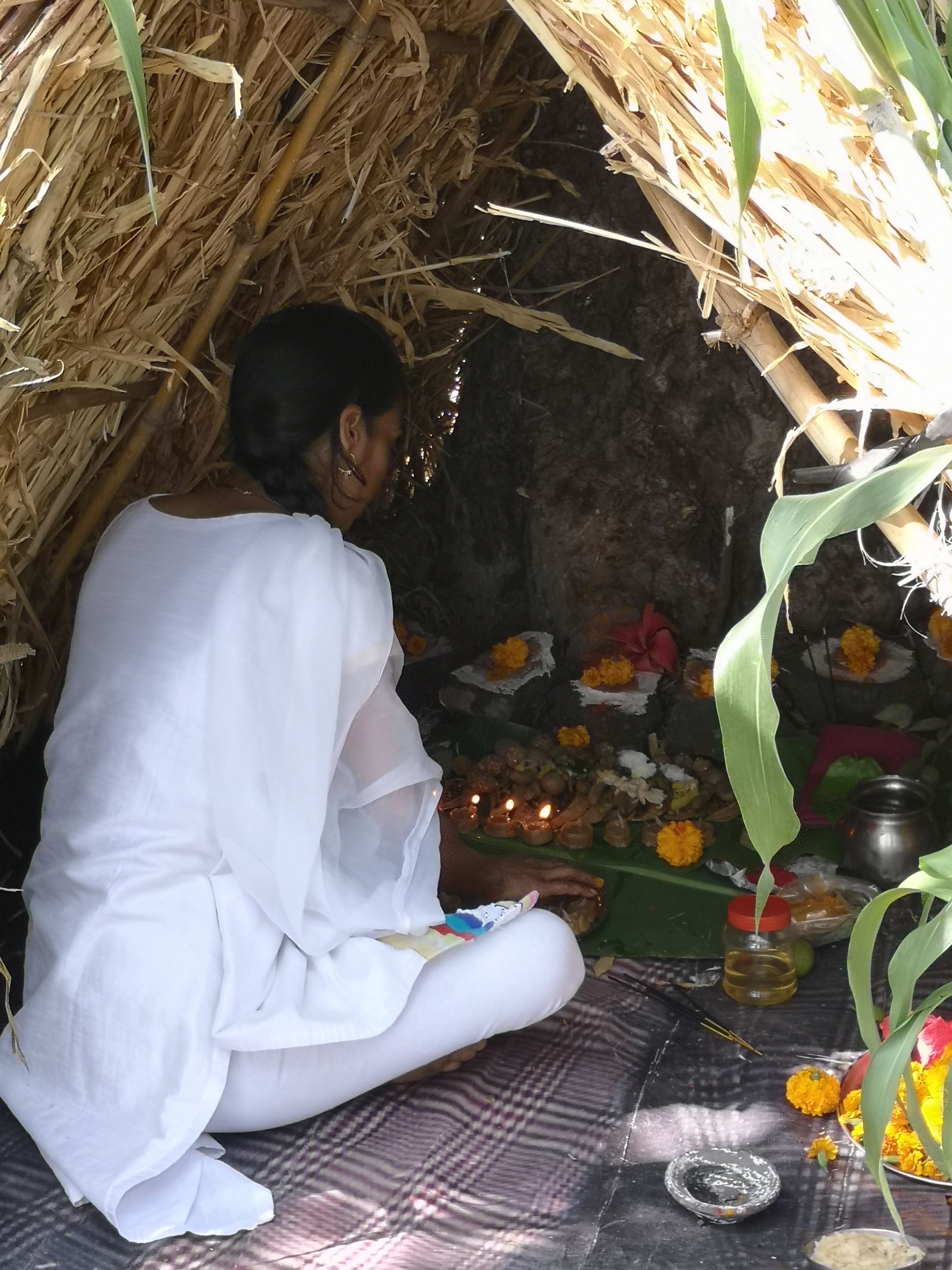
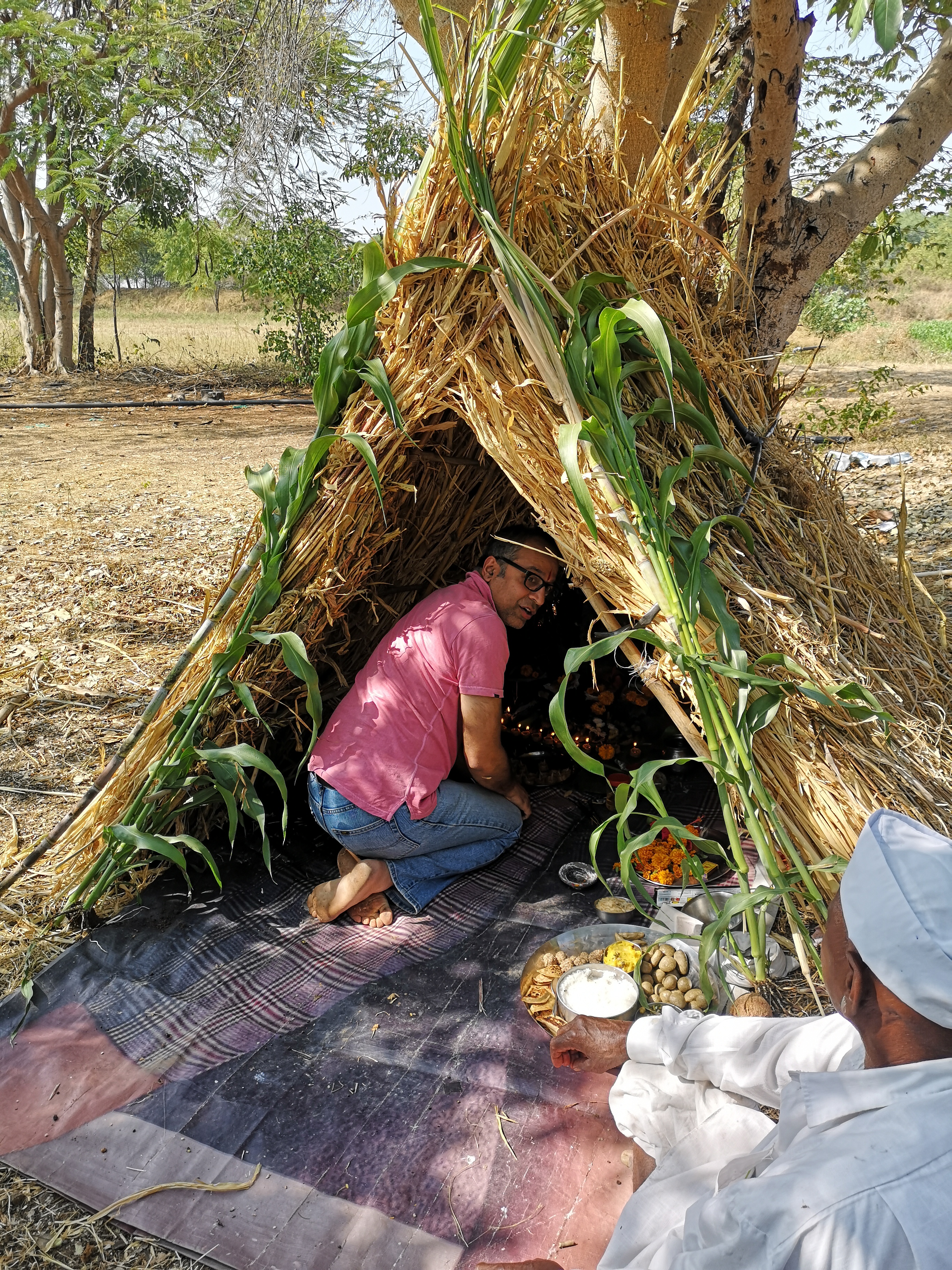
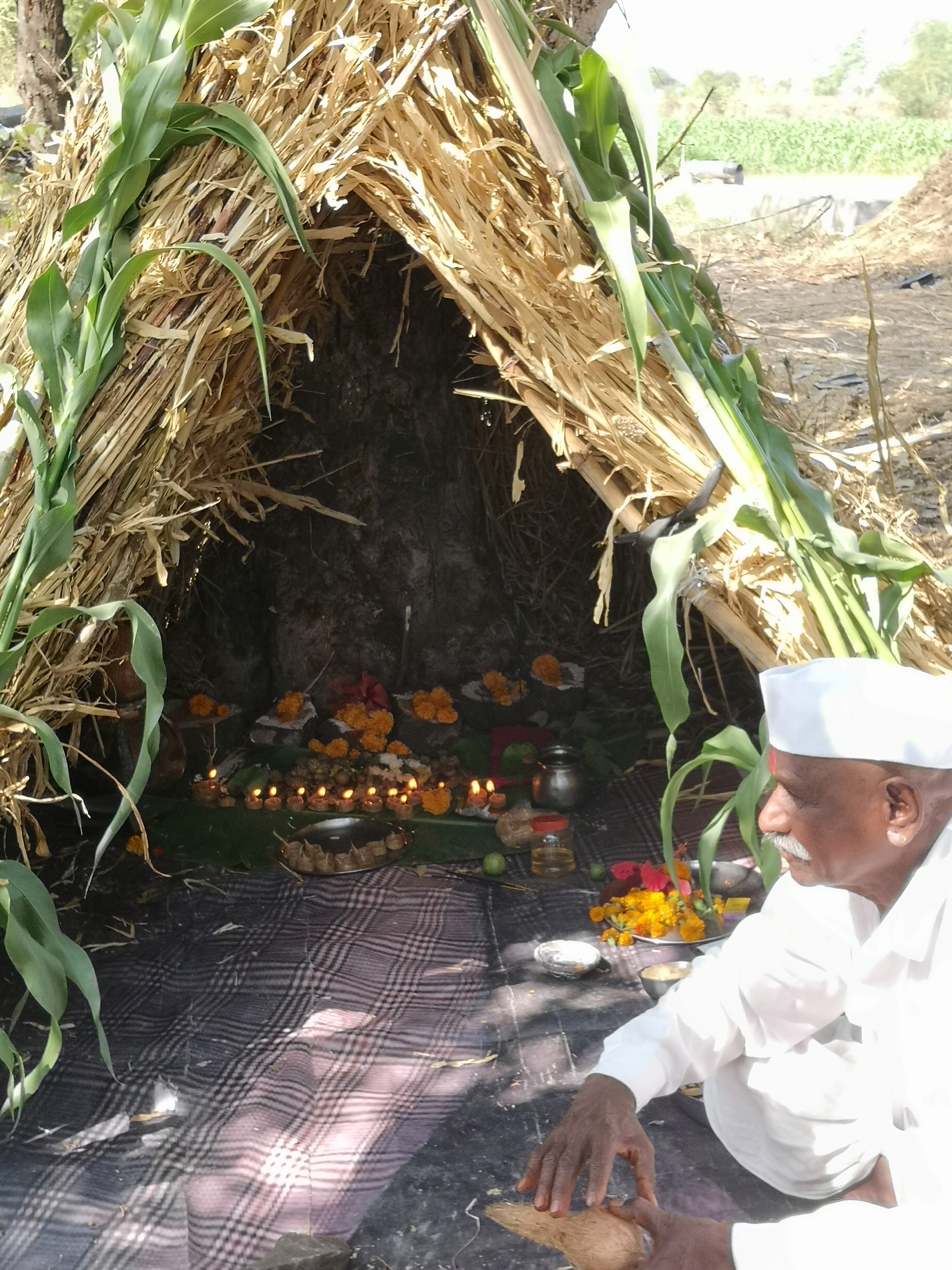
Vel amavasya is celebrated on the no moon day in the month of Margashirsh. A hut made of dried remnants of the crop is erected in the farm. Stones or mud roundels symbolising 5 pandavs and Draupadi are placed in it.

Naivedya is very specific: बाजरीचे उंडे steamed balls of millet flour, भज्जी mixed leafy veggies stew (?), गव्हाची खीर wheat pudding, दाण्याची पोळी flatbread stuffed with peanuts and jaggery. And most important आम्बिल, a refreshing drink of millet flour soaked in buttermilk, stored in an earthern pot.

At Harali the pooja was performed by various staff members and guests by offering flowers and lighting one of the wheat flour lamps. The pooja is to ask for blessings and thanksgiving for a bountiful future harvest. As one of the team had started a new venture to lease farm equipment, the crowd suggested they ask for blessing for that as well. As various researchers stepped forward there was further banter about blessings for various research projects. Overall everybody was in a jovial upbeat mood. The holy water was sprinkled around the hut and all over to bless the farm and the people.

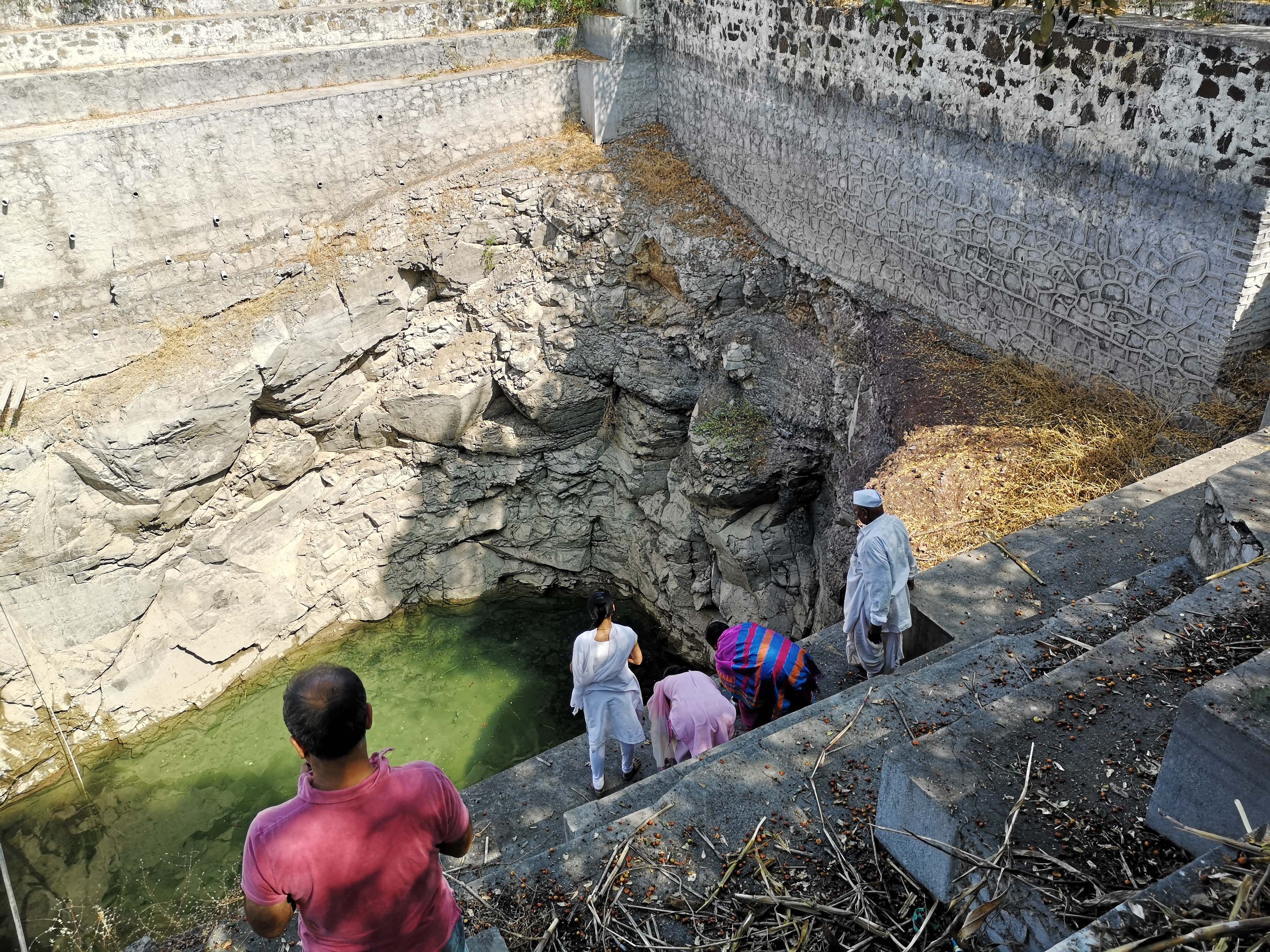
The pooja at the main location was done. Got some of the Prasad to mix it with the food being cooked in the communal kitchen. Gauri offered Prasad to the old gentleman, he received it in his cupped hands kept on his back. As he explained, ‘a blessing like that should take a bit of effort’. There are three more places the pooja is traditionally performed at JP Harali. One at the well, another in the mango orchard. Places that were once owned by other villagers. The traditional places of importance need to be honoured.

Throughout the week I received invitations from various team members to visit their farm for the special meal. I was able to manage a visit to Santosh dada’s place and had to be satisfied just to see photos sent by others. Next time need to plan in advance to spend the day visiting more people.

Musings

Why do we test?

Excerpt from a lecture about Participatory practice in Anandshala (An out of school educational initiative with Laman Banjara community in Osmanabad district):

For 5-7th graders we used – Quest’s सक्षम बनूया Marathi and Math series specifically created for students in 5-7th grade who are not at their grade level. There are 3 workbooks each for Marathi and Math. The series came with a baseline test that was supposed to place students at the 3 levels. At first glance the tests looked like they might need localisation or at least simplification of language.

For example, the long prompts in the Math test were difficult to read. र ट फ करून वाचताना  प्रश्न काय होता ते मुलांना विसरायला होईल अस वाटलं. भाषा थोडि सोपी करायच काम मी केल आणि मग tests घेऊन तीन  तांड्यामद्धे गेलो. ह्या तांडयामध्ये मागच्या वर्षी पासून काम चालू होतं, त्यामुळे facilitators ना मुलांचा अंदाज होता. 2 facilitator ना test ठीक आहेत अस वाटल. गणिती भाषा मुलांना यायलाच पाहिजे त्यामुळे भाषा बदलू नये अस त्यांच म्हणण पडल.  दोघेही डी एड झालेले त्यामुळे शिक्षक, शिकवणं, टेस्ट याकडे बघण्याचा दृष्टीकोण थोडा फिक्स झालेला. तिसरा तांडा थोडासा इतरांपेक्षा मागे पडलेला आणि नुकताच कॉलेज ला जाणारा facilitator. त्याच्या मुलांना भाषा जड जाईल अस त्याला वाटल.

मग आपण नक्की काय टेस्ट करतो आहे यावर चर्चा झाली. गणित करता येतं का मराठी वाचता येत याची परीक्षा होणार आहे असा उलट सुलट विचार झाला. सर्व प्रश्न गोरमाटी मध्ये translate करायचा प्रयत्न चालू झाला. पुनः थांबून खरंच हे पूर्ण गोरमटी पाहिजे का? मुलांना देवनागरी मध्ये लिहिलेल गोरमटीत वाचता येईल का असा ऊहापोह झाला. मग एक 8 वीतला  मुलगा तिथून जात होता त्याला बोलावल आणि विचारल – तुझ्या 5-7 वी तल्या मित्रांना हा पेपर दिला तर यातल कुठे अडेल? 

Instead of taking standardised test as they were we started asking the question ‘what do we want to know?’, when we got stuck at localizing the tests we looked for ‘local experts’, rethinking ‘who knows what we want to know’ instead of going to the obvious options of trained teachers from the community. We found diverse voices.

When conducting the baseline evaluation, instead of a timed test we decided to give the students as much time as they needed. The test was portrayed as a mirror for themselves. A tool that will tell them where they need help and ask for it from the facilitators. Instead of worrying about standardized scores we gave importance to maintaining student’s confidence while getting the information we want to place them at the appropriate level.

In the math test the facilitators explained the questions in Gormati if somebody asked for it. If a student couldn’t read fast enough to understand the question, we read it out to them without any further explanation. Timed tests make sure that the student is fluent, so to understand the level of fluency we marked the time the test was returned. The score and the time were used together to understand the student’s skillset.

The testscores were aggregated for each student as well as for a Tanda for each question or set of questions. This gave us a general idea of where the group stood in terms of skills. For example, 50% of students in X tanda cannot do multiplications. 80% can do addition, subtraction but only 70% can do हच्याची वजाबाकी. So the facilitators got a more actionable input about their students about specific areas, rather than a score.

We had decided to start from the 1st book in the series. The scores were used to divide students into 3 groups green, pink, and blue according to their ability. The idea was that blue group would be able to go through the workbook on their own. दृढिकरण was the purpose. The pink was the middle section, the instruction, speed was planned keeping them in mind. The hirva needed more attention. The facilitator could do that when the gulabi group was solving their workbook as well as ask nila group students to help-out if they were stuck. Given the environment of the classroom, students felt at ease to help their peers. Rather it was encouraged, in contrast to the individual focused tests and activities in school.

Initially I provided the list of students for each group, and explained how I arrived at it. The facilitators later adjusted by moving some students between the groups when they realized they were getting stuck or were faster than expected. They also felt confident enough to assign a new student to a group, observe and move them to the appropriate group. The weekly facilitator meeting was a place to discuss such tweaks.

The collective reflection was an important aspect of the success of this phase. In addition to observing their students and their own practice, the deliberations of these observations helped some reflect on their beliefs and assumptions. For example, an interesting conversation among two facilitators verbalised their cognitive dissonance about हुशार कोण. Surprised at seeing names of some of their students in the Green group, the group of students that were lagging the most: 
They write so well. It is clean and beautiful.”, said Sunita
I felt the same way when I got my list, but if you see their test papers, you can see they couldn’t do it.” Pranita responded.
Let’s see, said Sunita, When they start with the workbook I can move them if needed” 
There was an epiphany that, beautiful handwriting does not mean the student comprehends what they are reading or writing. Writing can be just like copying a drawing.

Not everybody started with questioning the lists. Initially, it was considered as given. Highlighting my position of power as an educationist, the primacy of tests and numbers over the facilitators’ knowledge of their students. However, in 2-3 weeks, most were able to judge ability of newly arriving students without a baseline test and moved students between groups as they progressed at a slower or faster pace than others. By the midterm in October and the post-test at the end of the year, facilitators had a better understanding of what their students can and cannot do, where they trip when solving math problems or completing language tasks in the workbook. The trust in the tests was still intact but there was more openness to question the things that did not work.
Musings

Lost in translation

As we travel, interact with people of different states, translate and re-translate colloquial names of vegetables and food ingredients, it has turned into a proper mashup. It might also be as some of us have lost the link between growing and consuming. It might come across as nit-picky when I correct word usage but in less than 10-15 years wrong usage of some of the words has become more and more embedded, especially as Google keeps compounding the initial error. Here are some examples.

Lentils: Masoor. For some reason this word is used to mean Daal or the split version of any legume. For example ‘lentil fritters’ is used for bhaji, it may or may not be masoor flour. In most cases it is chickpea flour. I thought it was a problem in the USA, but I see that now in Delhi as well. It is problematic in practice as all Daals are not made equal in terms of taste as well as digestibility.

Laal Math: A type of Amaranth. I have seen it translated as ‘red spinach’. It is nowhere close to spinach. Spinach is Spinacia oleracea and red amaranth or लाल माठ is from the genus Amaranthus. The usage probably started because of colloquial usage of the generic word Keerai in Tamil that is translated as spinach instead of ‘green leafy veggies’. That is where the word Malabar spinach (Basella alba) originates from, another vegetable that is nowhere close to spinach. I realized this goof up when I ordered spinach seeds from a south Indian grower and ended up with Amaranth seeds. Unfortunately now if you google laal bhaji or red spinach you will get boatloads of

ओव्याची पानं / Indian Borage / omavalli / Ajwain patta: The plant with leaves that smell like carom seeds. This has created so much confusion on OTG groups everywhere. People trying to grow Indian Borage (plant with leaves that smell like carom seeds) with carom seeds. Correcting the misconception is my pet peeve. The confusion started because of the name “ओव्याची पानं” literally carom leaves, instead of “ओव्याचा वास असलेल्या पानाच झाड” literally the plant with leaves that smell like carom seeds. The leaves of carom plant are

The colloquial names for plants if not matched with the colloquial knowledge of plants – the way they look, smell, their texture, the season they are available, how to grow them if not self seeded, and how to cook/use them – then a lot goes wrong in translation.

Musings

खतखत्याचा बेत

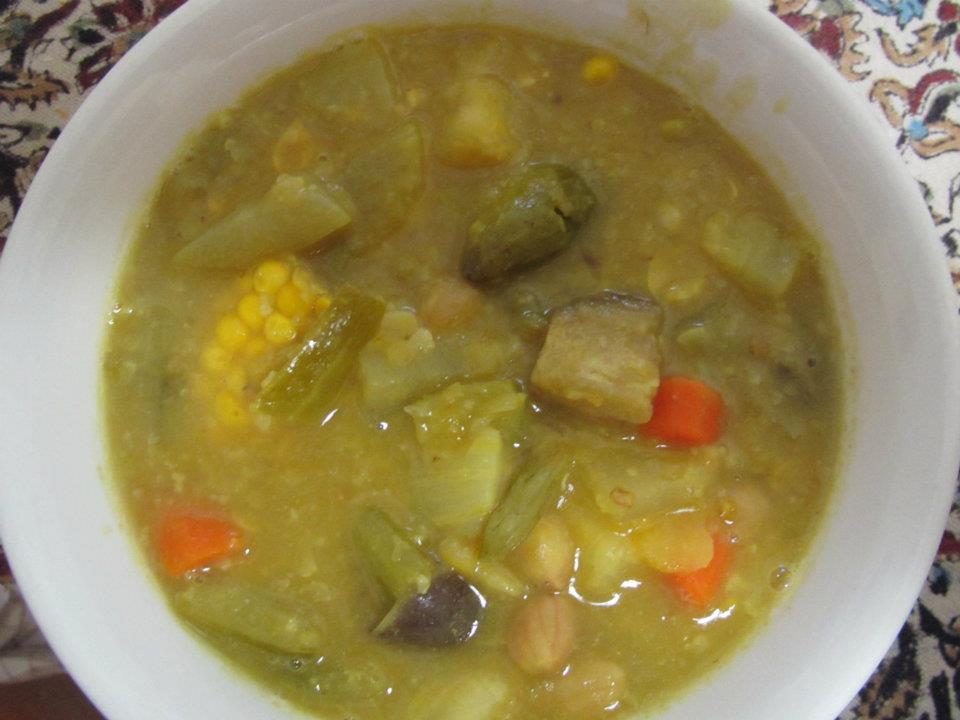
Among the fond memories of my childhood are the Khatkhatyacha bet (vegetable stew special) and rasacha bet (sugarcane juice special). The most prominent ingredient in both was the whole family coming together.

Khatkhata is a mixed vegetable stew. At my mother’s place it was an important dish for Anant Chaturdashi made with 21 vegetables. We did not celebrate Ganesh festival so khatkhata was made on a whim.  Once it was decided to make khatkhata, a sunday trip to Marketyard was planned. In addition to the regular culprits of the veggie world potato, radish, eggplant we also needed green bananas, a variety of fresh beans – cluster beans, string beans, fava beans, VaalPaapdi (lablab), fresh groundnut, and most importantly ears of corn. The beans were bought as a mix as altogether we needed less than a quarter kg of each.

Back home all of us sat down to prepare the veggies for the stew. My mother would take care of cutting the big ones: potato, corn etc. while we helped with deveining, shelling, or breaking the beans in big pieces.

An extended family Khatkhat event at maternal grandmother’s house.

The pieces went in one by one as per the time needed to cook. It is one of the simplest recipes with very few spices that highlights the taste of each and every produce item going in, at the same time creating this most layered soupy goodness. Highlight of the event was sucking on the corn on the cob. The day we had khatkhata there was not much else cooked except rice and may be chapati. I love it the most with rice.

In US this dish was the epitome of luxury and comfort food on a chilly wintery sunday. We made it with whatever vegetables we could find as far as we could get our hands on the ear of corn.    

Khatkhat bowl on a cold wintery day

Musings

आमची भाषा Our Language

When listening to Prof. Wei’s speech yesterday, his use of the phrase ‘named languages’ really resonated with me. It reminded me of multiple instances and observations over the couple of years interacting with ‘Gormati’ speaking people. Prof. Wei was talking about Translanguaging for inclusion and social justice.

The second year of working with the Laman Banjara people, some of the students from Anandshala came to stay at Harali temporarily while their parents were away for sugarcane harvest season. Hematai was working on creating an English-Gormati bilingual picture book with them. She had worked with students at Harali before, to create an English storybook with visuals. The students themselves came up with the story and had drawn visuals themselves. Similar to the previous project, we started with some storytelling sessions.

In the first session, students were asked to narrate Gormati stories that could inspire a narrative for the book. A girl next to me asked another: “कांइ बोले छ?” (What are they talking about?)
“म्हन्जे हापल्या भाषेत बोलाच” (That means we speak in our language”).
Did that mean not everybody refers to the language as Gormati? So I asked the students afterwards – what do you call the language you speak in?
There was a confused pause. आमची भाषा? (Our language?)
There had not been a need to name the language they spoke. There was no situation where they had to talk about their language as a thing. They interacted amongst themselves a certain way and in school they had to learn Marathi, a named language and a subject of study. We had created the need to name by asking questions about their non-Marathi practice.

“Named languages are abstractions from social activity of languaging. It is the linguists who socially constructed languages and gave them names.”

– Prof Lee Wei, February 2023

When interviewing parents last summer about language practices, we saw the same thing. After the experience with the students I had started asking questions with the phrase ‘घरची भाषा’ (home language). It worked well as we were talking about how their children transitioned from home language to language of instruction in school. If I didn’t use the word Gormati then most referred to it as आमची भाषा (our language).

In other instances, when asked to speak in Gormati, a couple of facilitators and students who had lived outside the Tanda for an extended period, were anxious. They claimed they could not speak in Gormati. However, observing their natural languaging practice I realised that they go in and out of Gormati and versions of Marathi (peppered with everday English words) when at home or speaking with their peers. Naming their languaging practice probably pushed them to acknowledge their practice as different from ‘standard’ Gormati, whatever that meant for them.

Naming the language in this way created these abstract buckets of Gormati and Marathi as if these were distinct parallel monolingual practices. The biggest struggle moving forward for us at Anandshala is going to be acknoweldging the translanguaging practices, working on the perceptions all of us have about language practice and related power equations, and figuring out what it means for classroom/languaging practice in Anandshala and Anandghar space.

Social Media, Technology & Education

Peers and Play: खेळातून अभ्यास आणि सवंगड्यां बरोबर अभ्यास

Excerpt from आनंदशाळा: neighbourhood schools

खेळ आणि मित्र मैत्रिणीं बरोबर शिकायचं म्हणजे नक्की काय याचं एक छान उदाहरण सेवालाल नगरच्या आनंदशाळेत गेलेले असताना दिसलं. एका तासाला विकासदादानी सर्व मुलांना दोन गटात विभागलं. एका गटानी गणित घालायच आणि ते दुसऱ्या गटानी वहीत न लिहिता मनात सोडवून उत्तर द्यायचं. पहिल्या गटानी उत्तर बरोबर आहे का हे सांगायचं असे खेळाचे नियम ठरले. जोरदार स्पर्धा सुरू झाली. वेगानी आकडे येऊ लागले. काही मुलांना विचार करायला वेळच मिळेना मग विकासदादा मध्ये  पडले आणि उत्तर न देणाऱ्या मुलांना वेळ आणि संधि मिळेल असं पाहू लागले.

एका मुलीनी मग उत्साहानी गणित घातलं. दादानी मागे बसलेल्या एका मुलाला उत्तर सांगायला सांगितलं. उत्तर बरोबर आहे का हे मुलीला सांगता येईना. गणित घालायच्या उत्साहात ती ते सोडवायचं विसरली होती. इतर मुली तिच्या मदतीला आल्या आणि उत्तर बरोबर आहे असं सांगितलं. आणखीन एका राऊंड मध्ये पहिल्या गटातल्या एका मुलानी सांगितलेलं उत्तर दूसऱ्या गटानी चूक आहे म्हटलं. मुलानी पुनः सोडवून पाहिल आणि तेच उत्तर दिलं. पुन्हा गट अडून बसला उत्तर चुकलं म्हणून. दादा शांतपणे उत्तर न सांगता, मुलं काय करतात ते पहात होते. शेवटी वहीत करून पहा अस दुसऱ्या गटानी सुचवलं. वहीत मांडल्यावर त्याला त्याची चूक लक्षात आली. खेळ पुढे सरकला.

खेळा मुळे संचारलेल्या उत्साहामुळे मागे बसणारी आणि मागे राहणारी मुले सुद्धा हिरीरीने भाग घेऊ लागली. गणित आपणही घालू शकतो, चूक-बरोबर आपणही ठरवू शकतो ह्या नव्या अनुभवामुळे सर्वच मुलांचा आनंद, उत्साह, आणि प्रामुख्याने आत्मविश्वास झपाट्याने वाढला.

बाहेरच्या एखाद्याला हा गोंधळ, गडबड, आणि मुलांचा आवाज ऐकून, मुलांवर शिक्षकांचं नियंत्रण नाही अस वाटणं  साहजिकच आहे. पण ह्या खेळाचं एक विशिष्ट उद्दिष्ट आहे – सराव आणि प्रवाहीपणा (fluency) – जेणेकरून पुढची गणिती प्रक्रिया शिकण्यासाठी पाया पक्का व्हावा. इतरांना गोंधळ वाटला तरीही दादांचं मुलांवर बारीक लक्ष होतं. गरज लागेल तेंव्हा मध्ये पडून आणि इतर वेळी मुलांना पूर्ण स्वातंत्र्य देत ते त्यांनी साध्य केलं. अशा खेळातून शिकण्यातून केवळ विषयाचं प्रभूत्वच नाही तर इतर अध्ययन कौशल्यही मुलांपर्यंत पोहचवता येतात. स्वतःच्या कामाचा विचार करणे, चिंतन (reflection), आपली एखादी गोष्ट चुकली हे समजणे, ते मान्य करणे; आपल्याला एखादी गोष्ट येत नाही हे समजणे आणि ती शिकण्याची इच्छा असणे ही metacognitive skills तयार होण्याची महत्वाची पायरी आहे.

आपल्या पारंपारिक/पठडीबाज शाळांमध्ये शिक्षक ज्ञानाचे खजिनदार असतात. चूक का बरोबर हे ठरवण्याचा अधिकार ही त्यांच्याकडेच असतो. अशा परिस्थितीत मुलांना स्वतंत्रपणे विचार करण्याची आणि स्वअभ्यासाची कौशल्ये आत्मसात करण्याची संधीच मिळत नाही. शिकायला आनंद वाटेल अशी पद्धत आणि facilitator असलेले ताई/दादा यामुळे शिक्षणाची जबाबदारी मुलांना पुन्हा आपल्या हातात घेणं शक्य झालं.

करोना काळात शाळा बंद होत्या तेंव्हा, शिकवण्याच्या विविध पद्धती, असलेल्या परिस्थितीतून शिक्षकांनी काढलेले मार्ग याचा बराच ऊहापोह झाला परंतु तो ऑनलाइन शिक्षणापुरता मर्यादित होता. ऑनलाइन शिवाय इतर पद्धतीं मध्ये अशा छोट्या छोट्या neighbourhood schools चा विचारही करायला हरकत नाही. त्या यशस्वी होण्यासाठी काय करावं लागेल याचं हे एक उदाहरण. 

Dilli Diary

Chance Finds: जाते थे जापान पहुंच गये चीन

The Saturday outing to IARI Pusa campus yesterday turned out to be a bust. The idea was to visit their biomass utilisation unit to get some vermicompost, leaf-compost, and whatever else they could offer. Turns out the campus staff recently negotiated a 5 day week that was put in practice today. facepalm
That meant the entire afternoon/evening plans just suddenly evaporated. No compost, no seeds, no visit to their fresh produce store, no wandering in the campus enjoying the greenery.

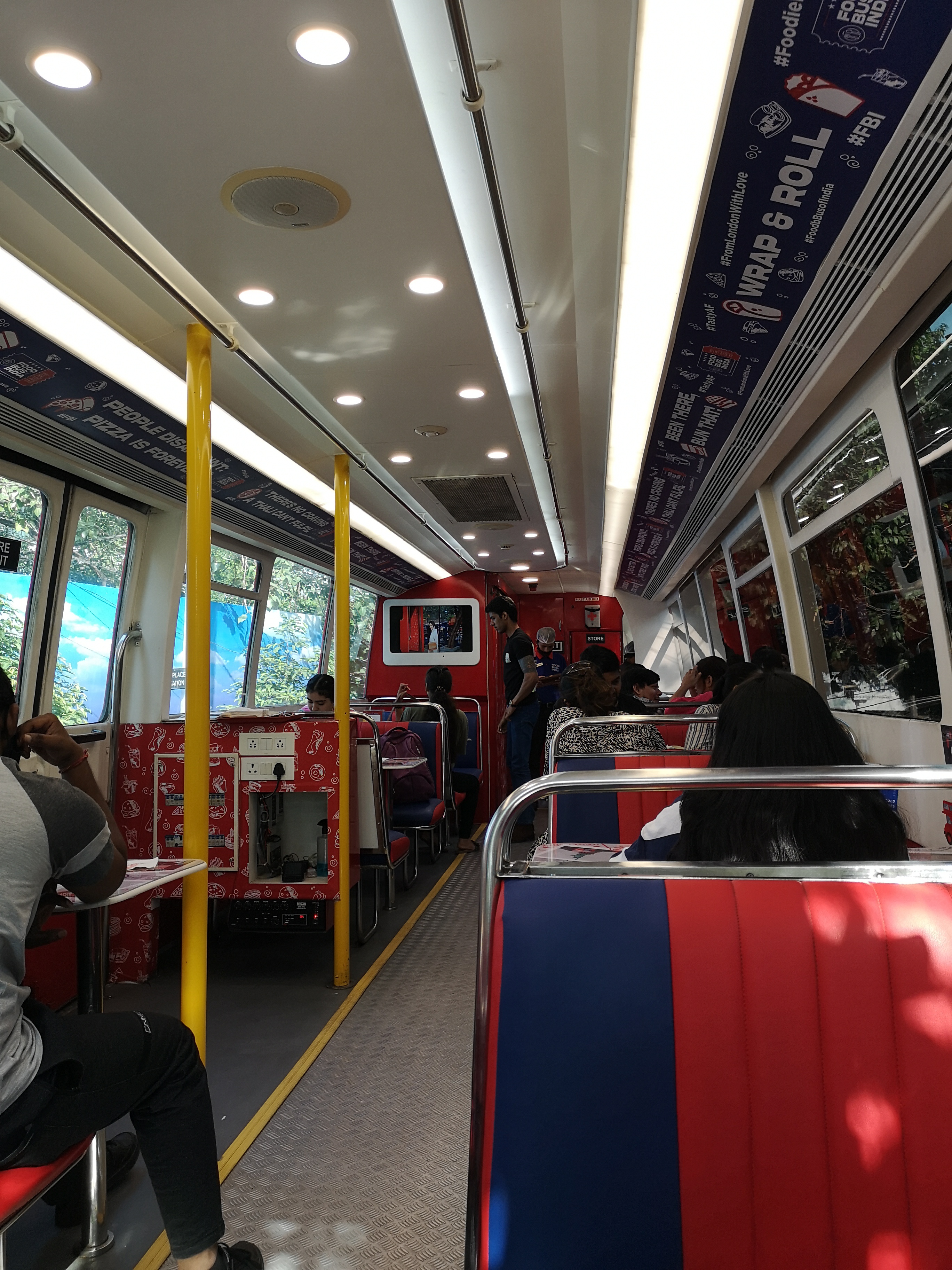
Decided to salvage the day by visiting barafkhana area for seedlings. The 7 kms took more than 2-3 hrs due to a traffic jam. It became so ridiculous at a point that, for the sake of our sanity, we decided to stop at this quirky cafe set up in a double decker bus.

By the time we got to barafkhana, hurriedly bought last remnants of the seedlings before everything closed, and started back the journey home, it was sundown. On the way back we hit traffic again. Of course… what were we thinking. This time the shops in front of a Kalibadi caught our attention. We had no idea where we were. Had never been to this temple, so decided to check it out and may be make a meal out of the stop.

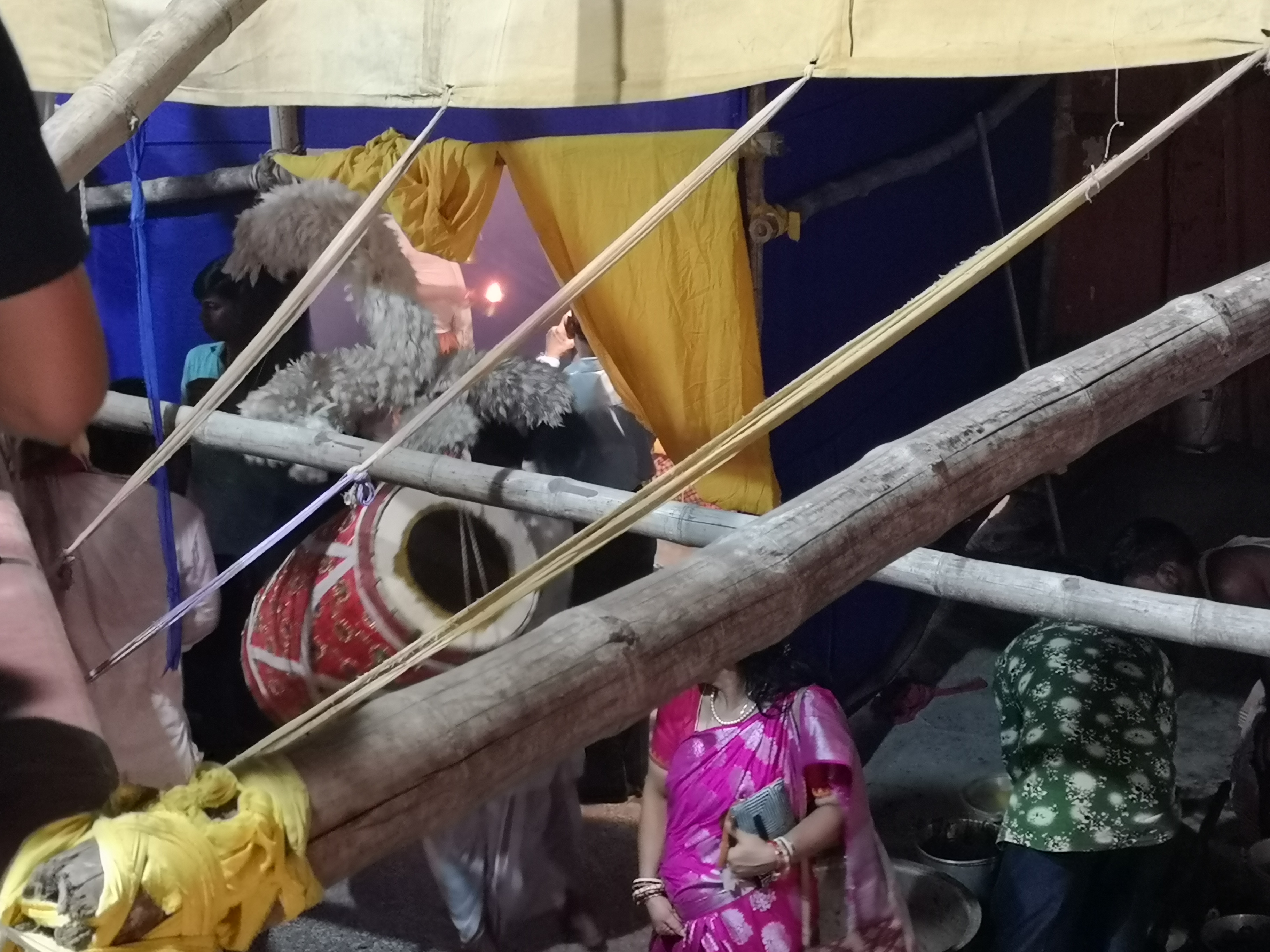
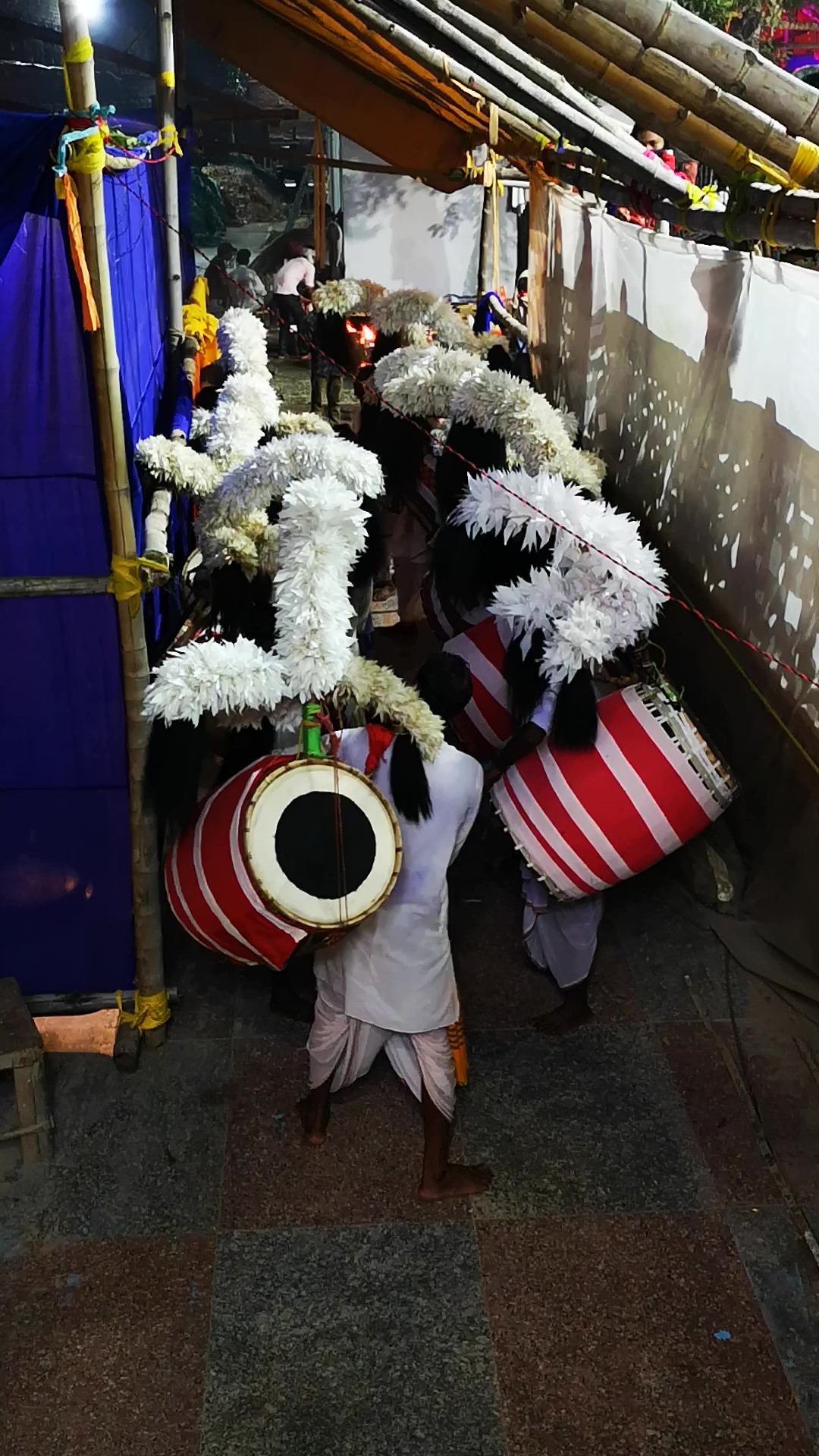
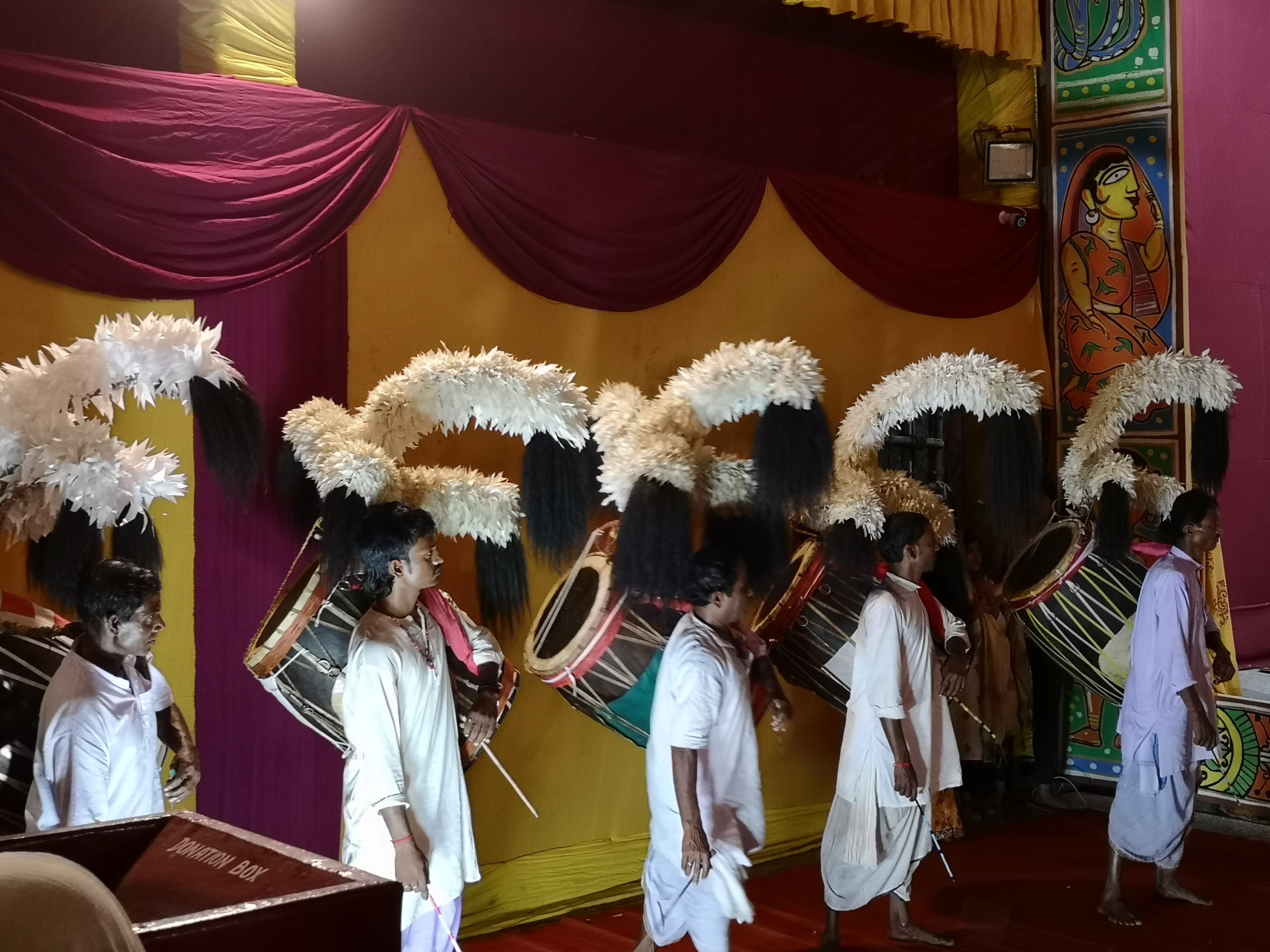
The temple and the huge pandal in front of it was bustling with festive energy. The Durga idols were closed to viewing with a curtain. Everybody was waiting expectantly. The main temple has a beautiful idol of Kali. A side shrine housed a shivlinga with the garbhagriha decorated with 12 Jyotirlingas. As I was exploring the surroundings, I heard the sound of dhak coming from the back of the temple. Some ritual was underway. I could see at least 6 drummers congregated outside a small enclosure with their dhaks decorated with red panache. The electrified energy was visible as they moved fluidly with the drumbeats even in that cramped space.

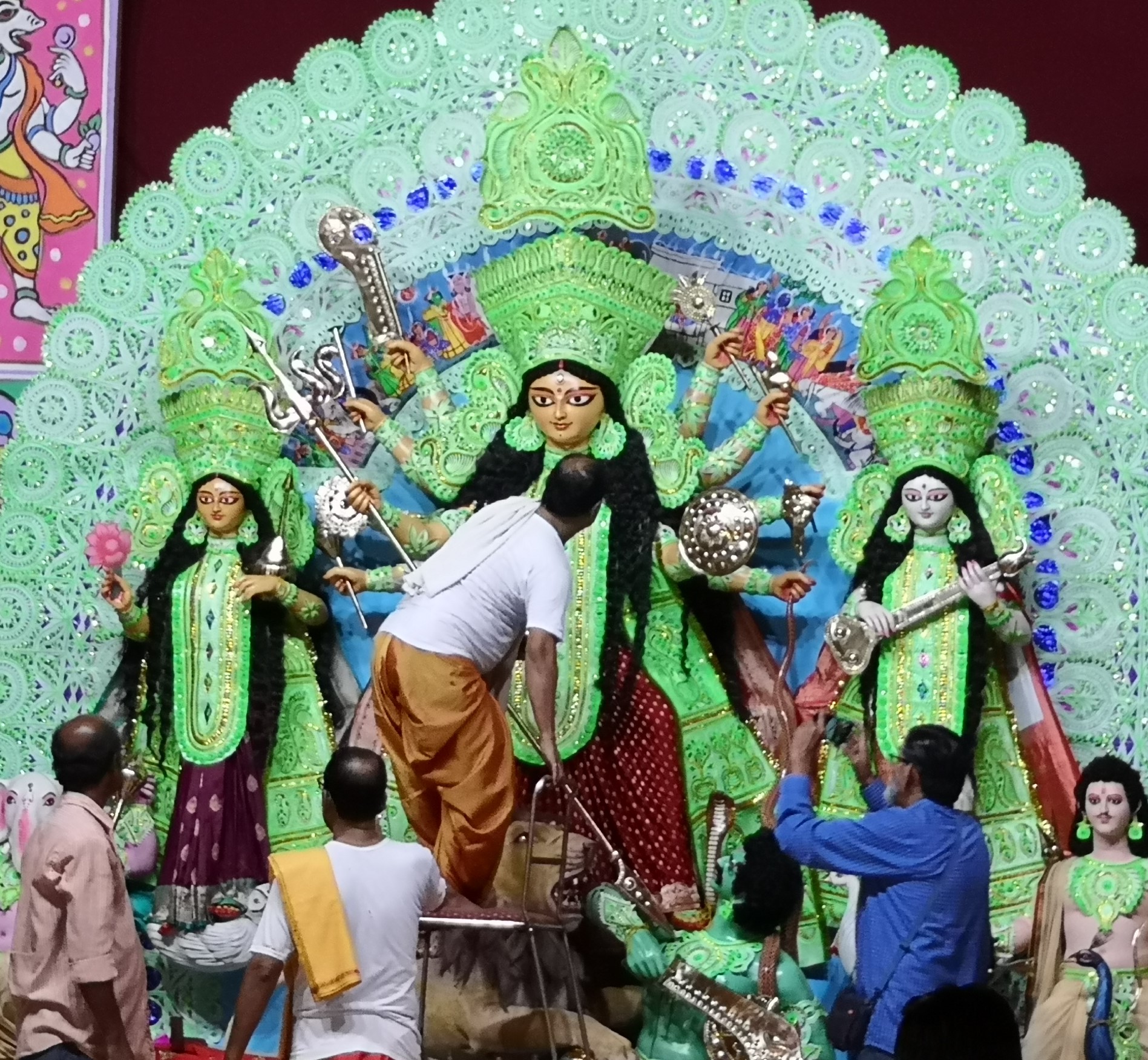
The party then moved to the pandal and set up in front of the Durga idols. The curtain was removed and the priests started what looked like rituals for invoking, welcoming the Durga and the family for the festivities. Each idol – Durga, Laksmhi & Saraswati, and Kartikeya & Ganesh – were offered flowers, tilak, fruits, and aarati. Every offering to each idol was accompanied by a short drumroll. This went on slowly and methodically for a while. I wish I had somebody to explain what was going on.

After all the family members were invited, a box of ornaments were brought in. Till now I had not realised that Durga as well as the others did not have आयुध in their hands. One item at a time patiently placed. Veena वीणा for Saraswati, mace गदा for Ganesh, a bow धनुष्य for Kartikeya, खड्ग/वज्र for the Mahishaura. With the spear भाला pointed at the Mahishasur placed with utmost care the picture was complete. I realised now that it was Shashthi, the first day of the Durgapuja festivities. Something I had not experienced the last time I attended it before the pandemic.

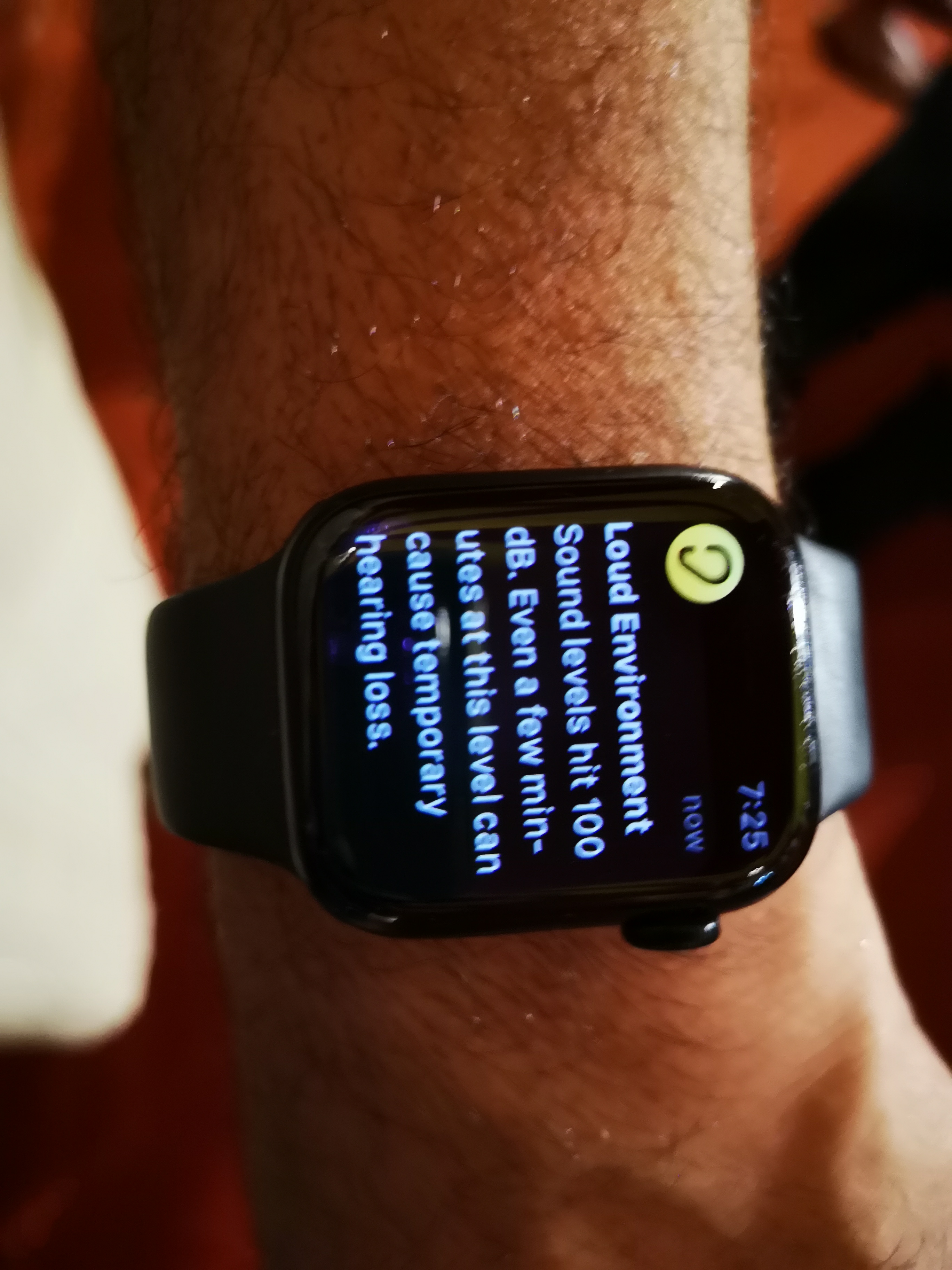
The process and the end result was mesmerising. The Dhaks were now in motion again. This time with more space, the drummers moving as a group, dancing facing inwards building on each others’ energy, plumes on the dhaks bobbing up and down rhythmically. Reminded me of JP Dhol pathak in Ganesh Visarjan procession.

When we were new to Delhi, I wandered about aimlessly, and got to know the city through such serendipitous finds. Covid shifted the way I approach the city, the spontainity is lost. This festive season, a chain of events, otherwise frustrating, helped me get back to that mood.

PS: Some other glimpses