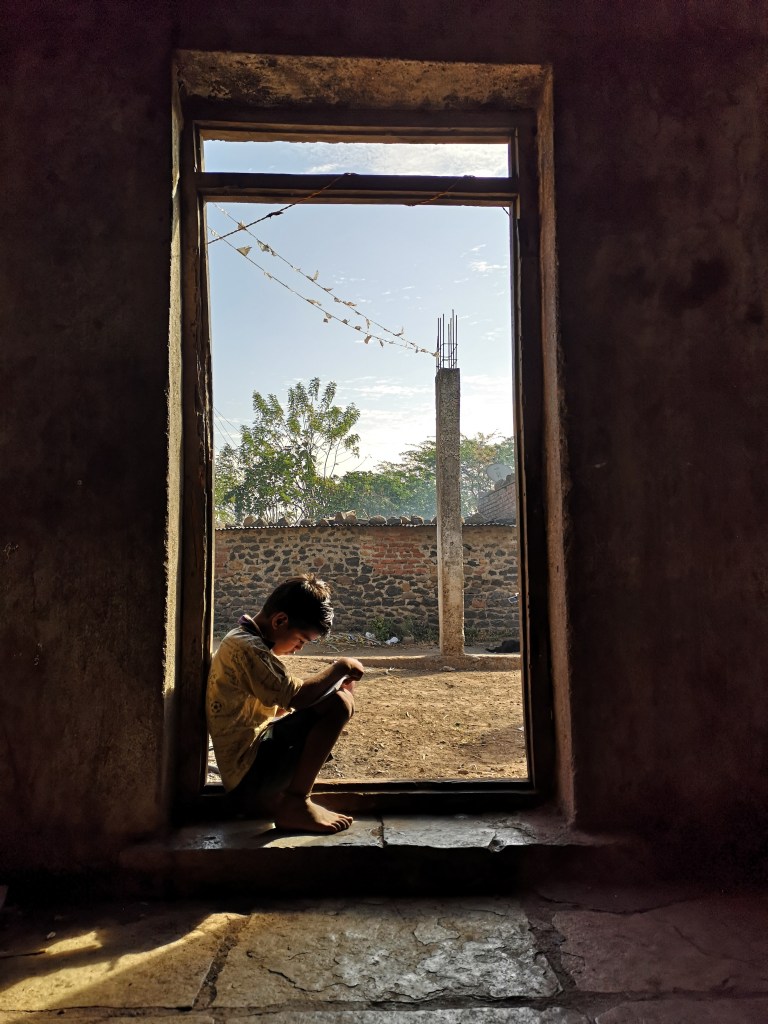
Most of the times, when we’re in a public place, we are constantly sampling the environment without trying. We overhear fragments of conversation, catch jokes, recognize tones of concern or urgency, understand instructions directed at someone else. Even when we are not paying attention, our brain is building a model of where we are and what is happening. Living in a place where you do not yet understand the language, that ambient awareness disappears.
I have been mulling over this experience, trying to put words to it. Yesterday, the experience of a medical procedure amplified it. Surgery already involves surrendering control. We are vulnerable, dependent on strangers, and unable to exert control on our own body. Usually, language provides a thread of connection and reassurance. Without it, I felt physically present but informationally absent. At some point it became a spiritual experience of letting go completely, but that is a thread I should unpack in another post.
The room was full of language, but none of it reached me as meaning. People spoke, laughed, asked questions, answered them, and coordinated their work. I could hear everything and understand nothing. For the first time, I became aware of how much of my sense of safety comes from this constant stream of background understanding. I wasn’t just unable to speak the language. I was unable to overhear reality.
The experience revealed that comprehension isn’t just about exchanging information; it’s how we maintain a continuous, low-level sense of orientation in the world. We don’t merely listen to conversations. We inhabit them, even from the edges. Having surgery in a place where I did not understand the language, provided insight into something I think about professionally – schooling experience of students with different home language than the language of instruction.
Language allows us to belong, anticipate, participate, and feel competent. Imagine a student in first grade sitting in a classroom surrounded by meaning that they cannot access. The teacher explains a task. Other students respond. A joke circulates through the room. Rules are established. Expectations are clarified. Learning happens. The child hears the sounds but cannot easily participate in the web of meaning that surrounds them.
Unlike me, they do not necessarily realise that the problem is linguistic. They are still forming ideas about who they are and what they are capable of. When they cannot follow what is happening, it is easy for others, and eventually for the child themselves, to conclude that they are inattentive, slow, or less capable.
What I experienced in the hospital was temporary. I knew I would leave in a couple of hours. I knew who I was outside that room. For many children coming from minority language speaking households, the feeling of standing at the edge of understanding can last for months or years, shaping not only what they learn but what they come to believe about themselves.

