I fell in love with the bir bazar the first time we tried it the winter we moved to Delhi. Heaps of fresh vegetables in assortment of colors line the roadside, peppered with ironsmith shops, spice vendors, plastic basket vendors. It’s still humid and hot, not exactly the time to walk the length of Bir Bazar but we have been making time so that we can eat better than we have this summer.
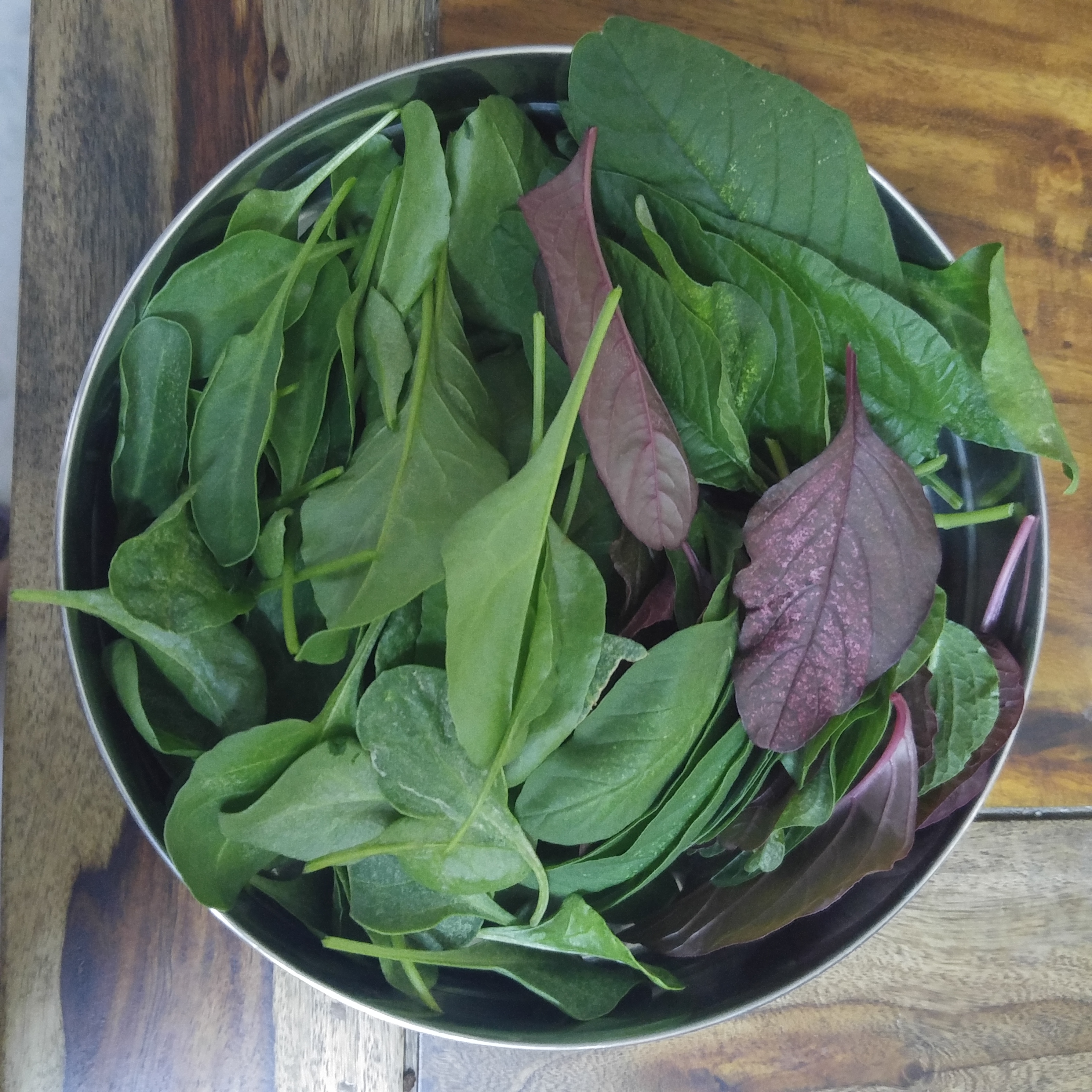
The vendors now recognize us. I like to chitchat, ask questions about strange vegetables, and overall happenings of the day. Today was a good day. We found Vali bhaji (Malabar Spinach) at our favorite leafy veggies vendor at the end of the bazar. I have been looking for a cutting to start my own vine. Now I have one. We also found Desi varieties of pumpkin and white gourd. Expensive but worth it. Everything now-a-days otherwise is hybrid and huge. Other vegetables were expensive too. Apparently, flooding of Yamuna a couple weeks back destroyed the vegetable crops. I had read about it in the newspaper and had wondered if our vegetables came from these farms in the floodplains. It is a scary thought, given how polluted the water is.
Every year Yamuna crosses the flood line, policemen inform the basti to gather their belongings and move into the makeshift tents built on higher ground that the government provides. The news item said that the people were trying to save their produce till the water was almost ankle or knee high, risking their lives as the policemen urged them to move to higher ground. It seems it happens every year and Delhi looses chunk of its vegetable supply. Many of our veggies today came from Rajasthan and Haryana. After the river recedes, the riverside farms will crop up again and we will start getting vegetables in a couple of months, depending on what they sow. The cycle goes on in the same exact way every year.
It was very intersting how the vendors talked about the river reverently. “Yamunaji” they called her. Our neighbour Tauji also calls the river Yamunaji I remembered. Just the other day he was telling us stories of major flooding in 1970s when the water came as far as his house and the ground floor was underwater.
For the last year and a half we have been in Delhi, I have tried to stay away from the river. To me it is just a polluted stinking mess. Listening to the stories and the way people talk about Yamunaji, has whetted my apetite to explore more about the river and how the people relate to her.


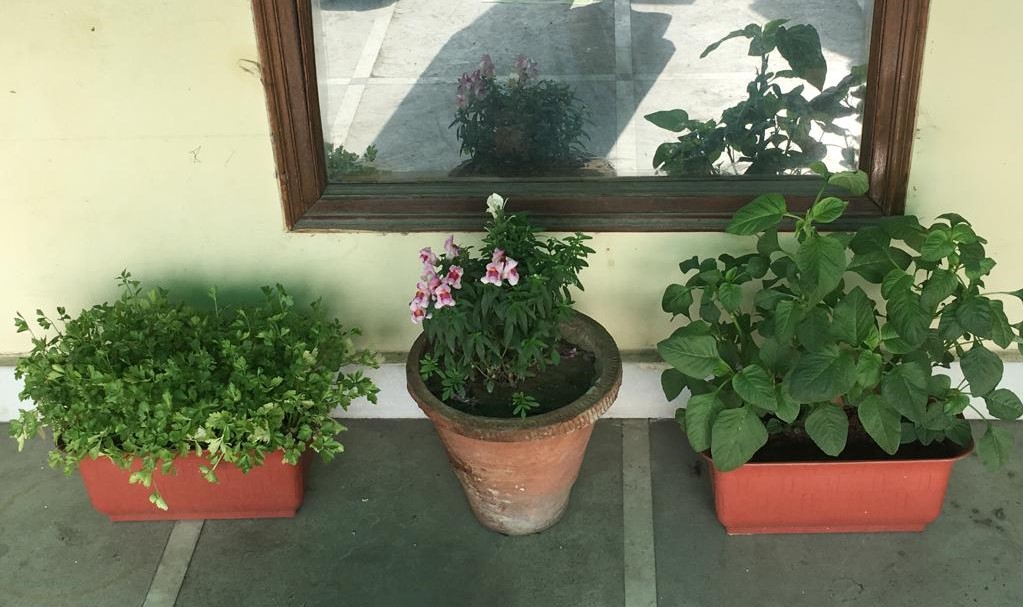

 Getting down from the Model Town station I spied the herald of Spring. I picked up my pace before he could get back on his cycle rikshaw and disappeared.


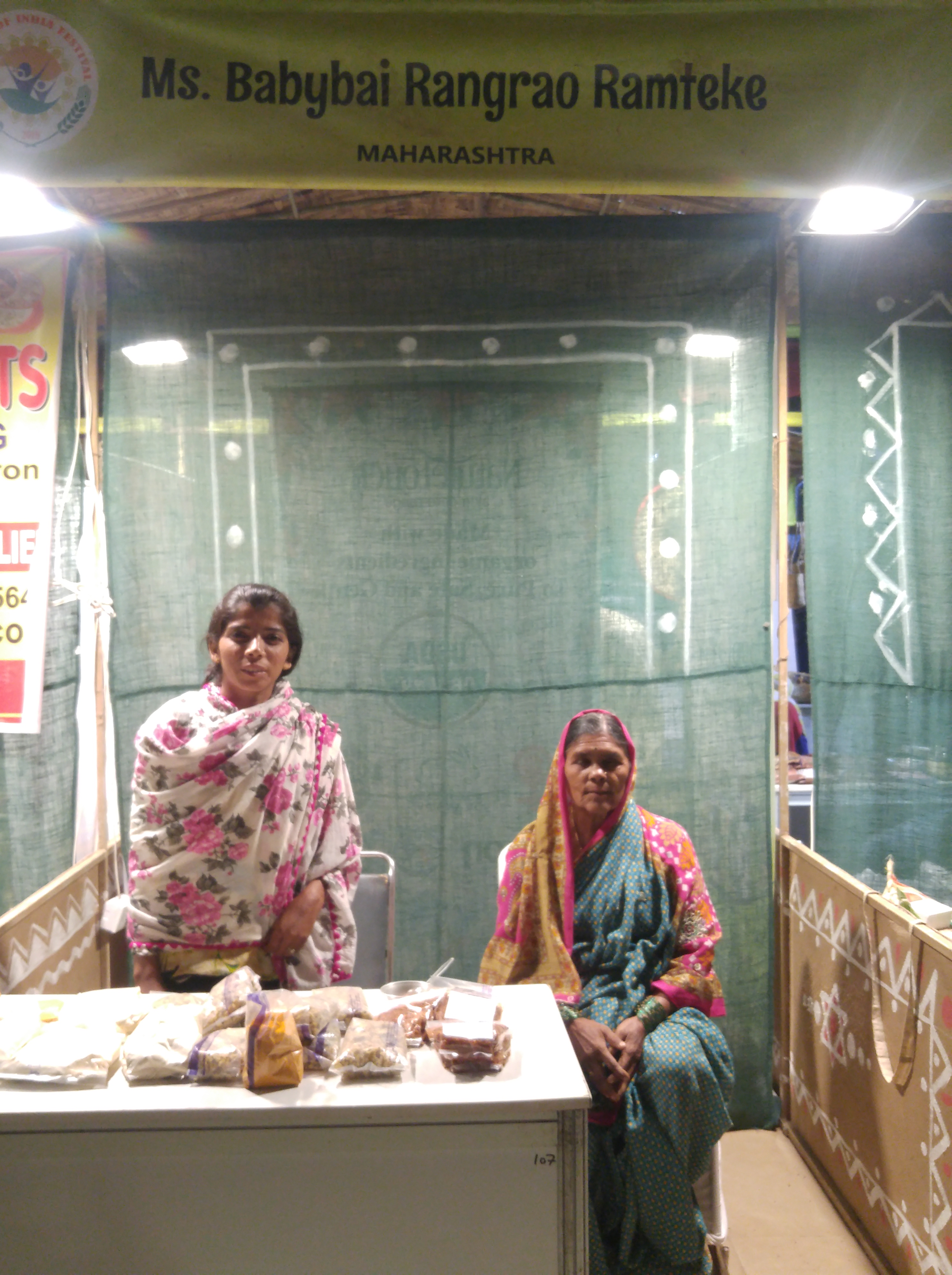 The focus was mainly on grains with a push for millets and indigenous legumes. Spices and herbs was another category. I bought some Turmeric from a farmer family from Amaravati, maharashtra. It was heart warming to have a leisurely conversation in Marathi. Found at least four more stalls of people from the general area. One of the farmers informed that he visits a farmer’s market in Mumbai every week. They were savy in dealing with non-marathi people. Unlike the Maharashtrian farmers, the couple from Tamilnadu manning an organic seeds stall was new to the Delhi crowds and managed to communicate mostly through gestures. In spite of the handicap, they were doing brisk business. After all it is planting season in Delhi finally.


 A woman getting one prepared for her daughter’s first KarvaChauth gave me a low down on other things that will go with it as a gift inclusing diamand jewelery for daughter, gold something for the son-in-law etc with a price tag of 1 lakh. The Mathris seemed like the cheapest but traditionally most important part of the gift. I was told a Sargi or a food and puja item basket which includes mathari is sent by the mother-in-law to the daughter-in-law. Not sure if this was the same.


 devayani tirthali