Musings

Lost in translation

As we travel, interact with people of different states, translate and re-translate colloquial names of vegetables and food ingredients, it has turned into a proper mashup. It might also be as some of us have lost the link between growing and consuming. It might come across as nit-picky when I correct word usage but in less than 10-15 years wrong usage of some of the words has become more and more embedded, especially as Google keeps compounding the initial error. Here are some examples.

Lentils: Masoor. For some reason this word is used to mean Daal or the split version of any legume. For example ‘lentil fritters’ is used for bhaji, it may or may not be masoor flour. In most cases it is chickpea flour. I thought it was a problem in the USA, but I see that now in Delhi as well. It is problematic in practice as all Daals are not made equal in terms of taste as well as digestibility.

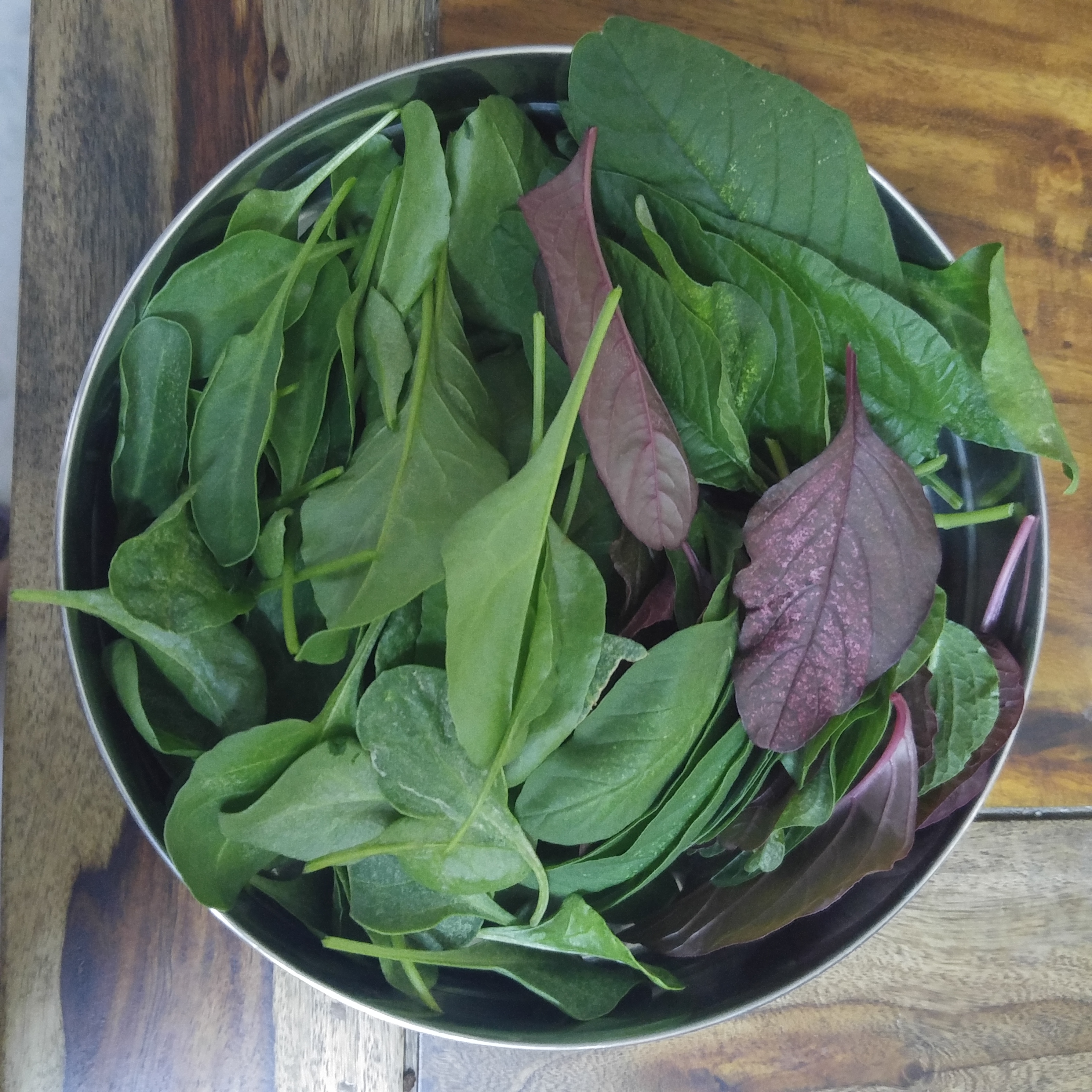
Laal Math: A type of Amaranth. I have seen it translated as ‘red spinach’. It is nowhere close to spinach. Spinach is Spinacia oleracea and red amaranth or लाल माठ is from the genus Amaranthus. The usage probably started because of colloquial usage of the generic word Keerai in Tamil that is translated as spinach instead of ‘green leafy veggies’. That is where the word Malabar spinach (Basella alba) originates from, another vegetable that is nowhere close to spinach. I realized this goof up when I ordered spinach seeds from a south Indian grower and ended up with Amaranth seeds. Unfortunately now if you google laal bhaji or red spinach you will get boatloads of

ओव्याची पानं / Indian Borage / omavalli / Ajwain patta: The plant with leaves that smell like carom seeds. This has created so much confusion on OTG groups everywhere. People trying to grow Indian Borage (plant with leaves that smell like carom seeds) with carom seeds. Correcting the misconception is my pet peeve. The confusion started because of the name “ओव्याची पानं” literally carom leaves, instead of “ओव्याचा वास असलेल्या पानाच झाड” literally the plant with leaves that smell like carom seeds. The leaves of carom plant are

The colloquial names for plants if not matched with the colloquial knowledge of plants – the way they look, smell, their texture, the season they are available, how to grow them if not self seeded, and how to cook/use them – then a lot goes wrong in translation.
Dilli Diary · Musings

Gardens that kept me afloat

I started keeping a facebook photo diary on my terrace garden in Delhi. As I share happenings in my garden, Facebook also keeps showing some memories long forgotten, and I wander reminiscing. Experiencing all over again the feel of each and every plant; the excitement of the first sprout, first flower, first gourd flower turning to fruit; taste of home grown veggies; mystery of unknown plants cropping up.

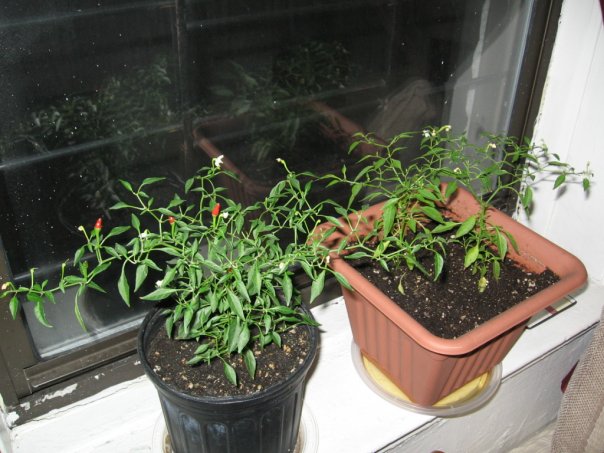
My garden in NYC started with a Mogra plant. I had a habit of wandering in the neighbourhoods on my way home instead of taking the subway near my university. One summer walking home from the medical campus I was pleasantly surprised, shocked, overwhelmed to see a mogra plant in a small shop selling garden supplies somewhere in Washington heights. Mogra is my soul flower. It was like a call from home. So I bought it for $14.99. An exhorbitant price at that time. For comparison, my eating out/pampering myself budget was $5/month.

That started me off on my journey of window boxes in the 1 room I shared with Selen. One room meant, 2 windows, 1 with a heating coil under it so effectively just one window. When Parag moved to NYC and we moved into a 1BR apartment. Suddenly there were 4 viable windows beckoning me. Unfortunately, as we moved in the dead of winter in January, in spite of all the wrapping and blankets, the first Mogra didn’t survive the move.

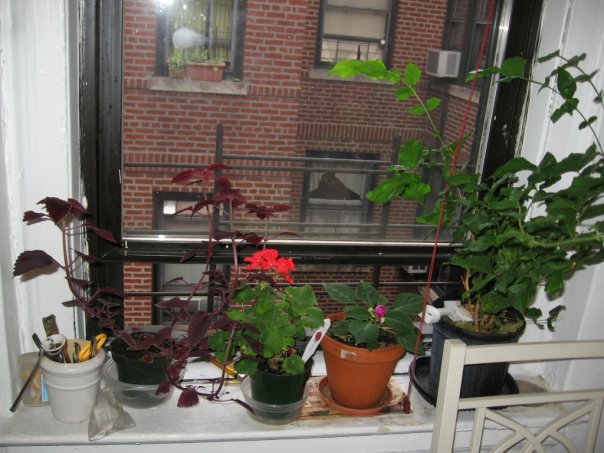
In spring, I experimented with daisies, asters. Mums in fall. With plants at home the empty squares on the sidewalk beckoned me and I started putting in seedlings wherever I found place. Everybody stared, finally a well meaning granny pointed out that I was digging in nasty stuff that should be left unturned. haha. Don’t remember how many of those sapplings took root, but that activity gave me a better eye for wild plants, flowers, generally flora and fauna. I suddenly started seeing many more minute details, the little critters, new life after the first thaw, changing textures and colours.

The NB apartment was the epitome of luxury after the cramped NYC apartments. We had a longish balcony, an actual open space attached to the house. Plenty of space and height for the indoor plant we inherited from Perien while we were in NYC. All the plants moved with us from NYC, and moved again to PVD, finally in their own space to expand rather than the cramped window boxes.

Providence garden finally provided the space for experimenting on a larger scale. Growing vegetables, trying out different seasonal plants etc but what I remember the most is the first spring and the entire summer after that. As the ground thawed, we saw various flowers and sprouts coming up one after the other. Some places like the corners next to the steps, obviously had some plants in hybernation but I did not expect the surprises popping up everywhere as the temperature increased. Grape hycinth, white grass lily, to bearded iris and black eyed susans. All an enigma.

Each and every garden was a salve for the soul. A link to the distant home, warmth and sign of life in the dead of winter, and as we grew with each other, a way to find home in the new places.


Dilli Diary

Story of a sapling

I was waiting imptiently for the weather to warm up a bit to make a garden shop run. A deadline for paper submission behind me in the first week of March I decided to go to Barafkhana to get some seeds and seedlings to start the season.

Not good pickings but we decided to get some anyways in case the Corona threat resulted in a lockdown. One of the wiser decisions in early March. The tomatoes, chillies, eggplants were all easy to pick but the gourds were a problem. Really small saplings with only one or two true leaves meant I wasn’t sure what I was buying. The seller had musk melons and some gourd variety vegetable.

I wanted a ridge gourd. Tori in Hindi. But we have seen some smooth varieties in Delhi that we don’t like. So we proceeded to explain what we really wanted. The ridged variety. A lot of confusion ensued as both the seller and us reached the far end of our vocabulary in each other’s languages. We looked for photos of a ridge gourd on our mobile to show what we mean by the ridged variety. After a lot of mumbling on his part we got a sapling. Me promising myself to come back after a week or so if needed.

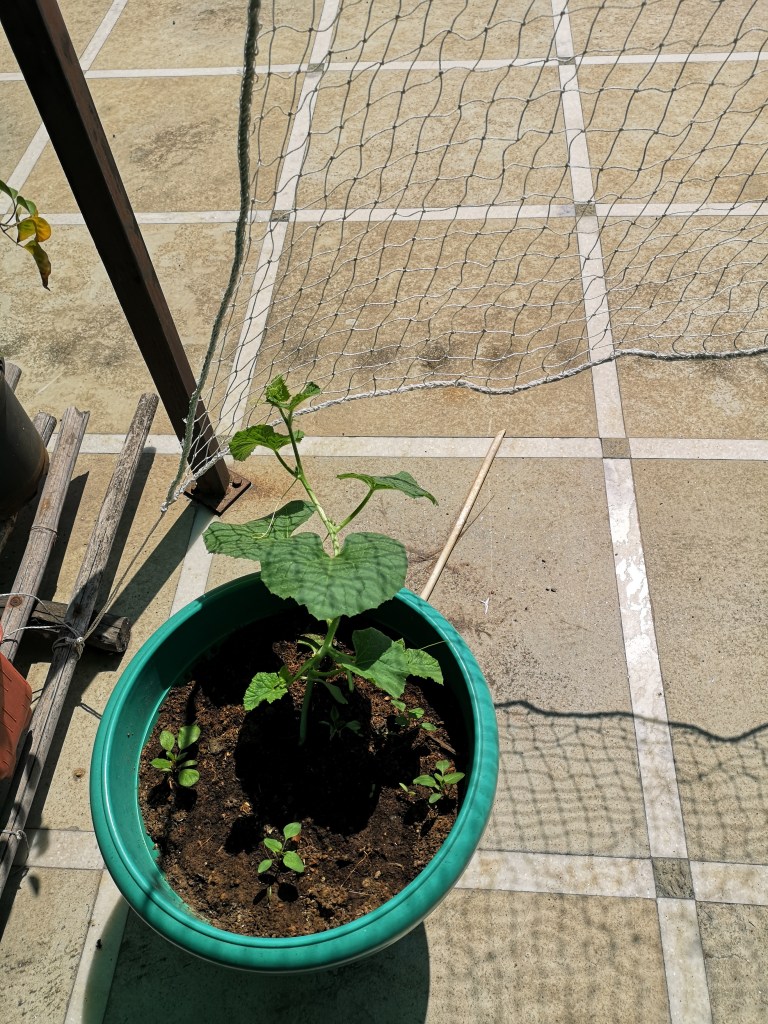
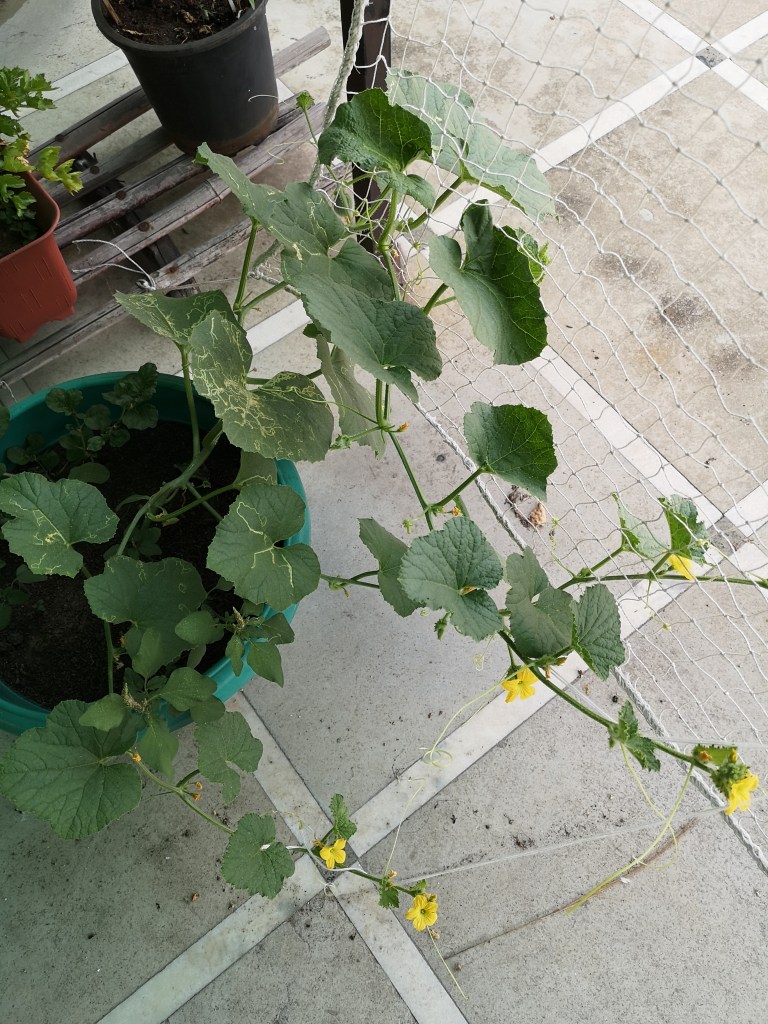
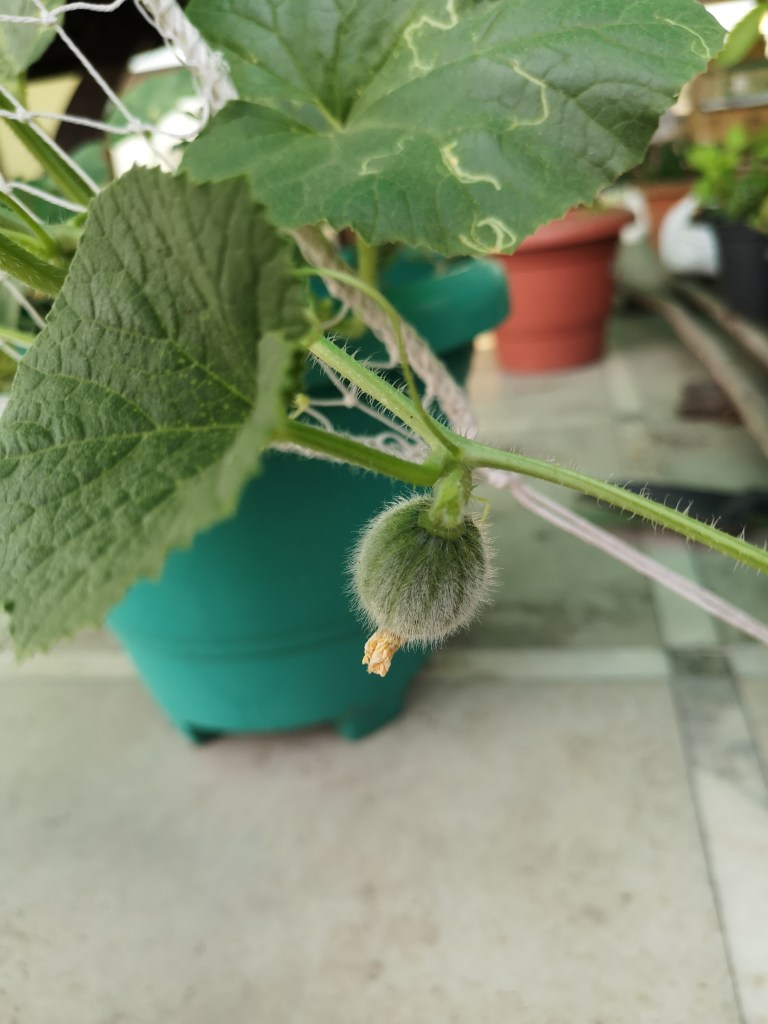
Saplings all in their respective new homes that evening, I forgot all about the confusion and the doubt in my mind as we got busy preparing for the lock down. The vine grew beautifully and started flowering. Then there was a female flower. If you are a gardener you will know that gourds have a little version of themselves on the female flower. If you can’t identify a plant, looking at the female flower is a sure-shot way to know what the vine is proposing.

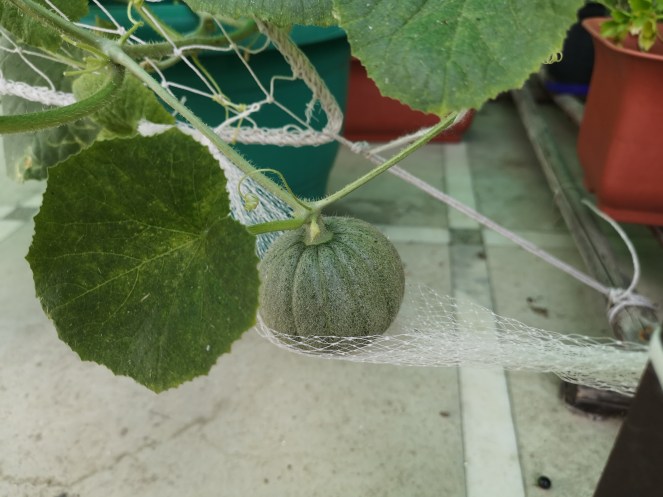
A beautiful round fruit to be. Surely not the ridge gourd I thought I planted. Parag and I thought back to our conversations with the seller trying to remember the names he was throwing at us. Parag thought he said Kakari. A cucumber? That didn’t make sense with the perfect sphere we had. Somebody on the gardening group suggested Kachri. With similar pronounciation to Kakari we thought that was a good candidate. Kachri is a wild melon that looks like a mini water melon, bitter when green and sour as it ripens. Used as a meat tenderizer. None of these things were super exciting or useful for us.

Somebody suggested it might be a Muskmelon but we were sure it had to be something different, a vegetable not a fruit, as the confusion was about the gourd sapling and not the Kharbuja, the musk melon. But we hoped and wondered as the fruit grew. The vine was trained on a vertical mesh assuming it was going to be a ridge gourd. Just in case it was a musk melon, I built a hamoc to support the weight of the fruit.

As the fruit grew in the hamoc, it started becoming stouter in a pumpkin kind of way rather than growing a bit oblong like a kachari. Was the hamoc shaping it differently or was it the natural shape? More discussions among my various gardening groups ensued. It is a musk melon I thought. In the meanwhile Parag tried to taste a fruit that had dropped due to heat. His contorted face said bitter as hell. Kachri it is then.

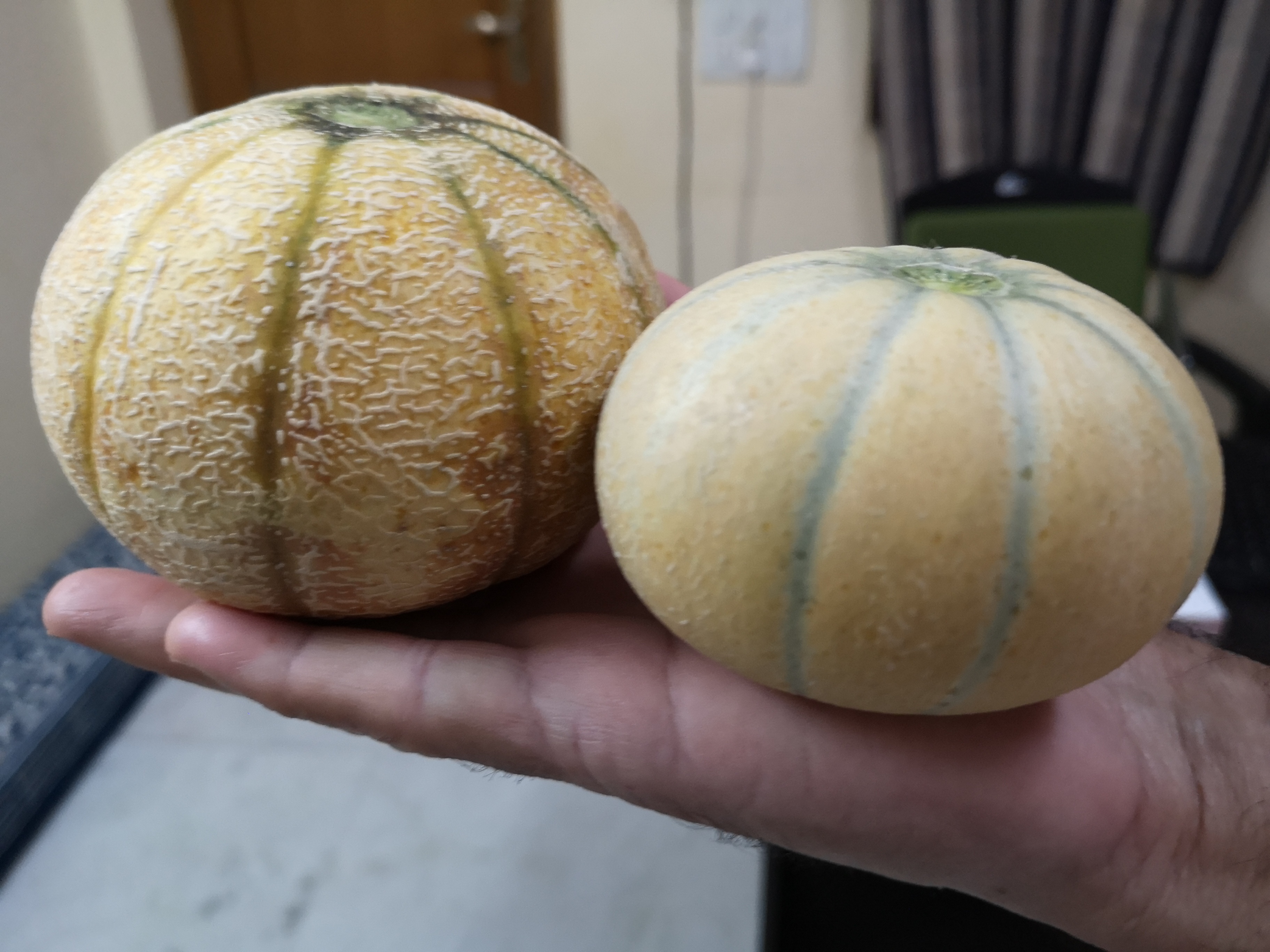
The color started changing and we waited with bated breath. Smelling it once in a while. Musk melon smell is unmistakable and the aroma catches attention when it is ready, I was told. No aroma. Kachari it is. And then like magic, one evening we found the fruit sitting in the hamoc, unattached from the vine, exuding its signature smell.

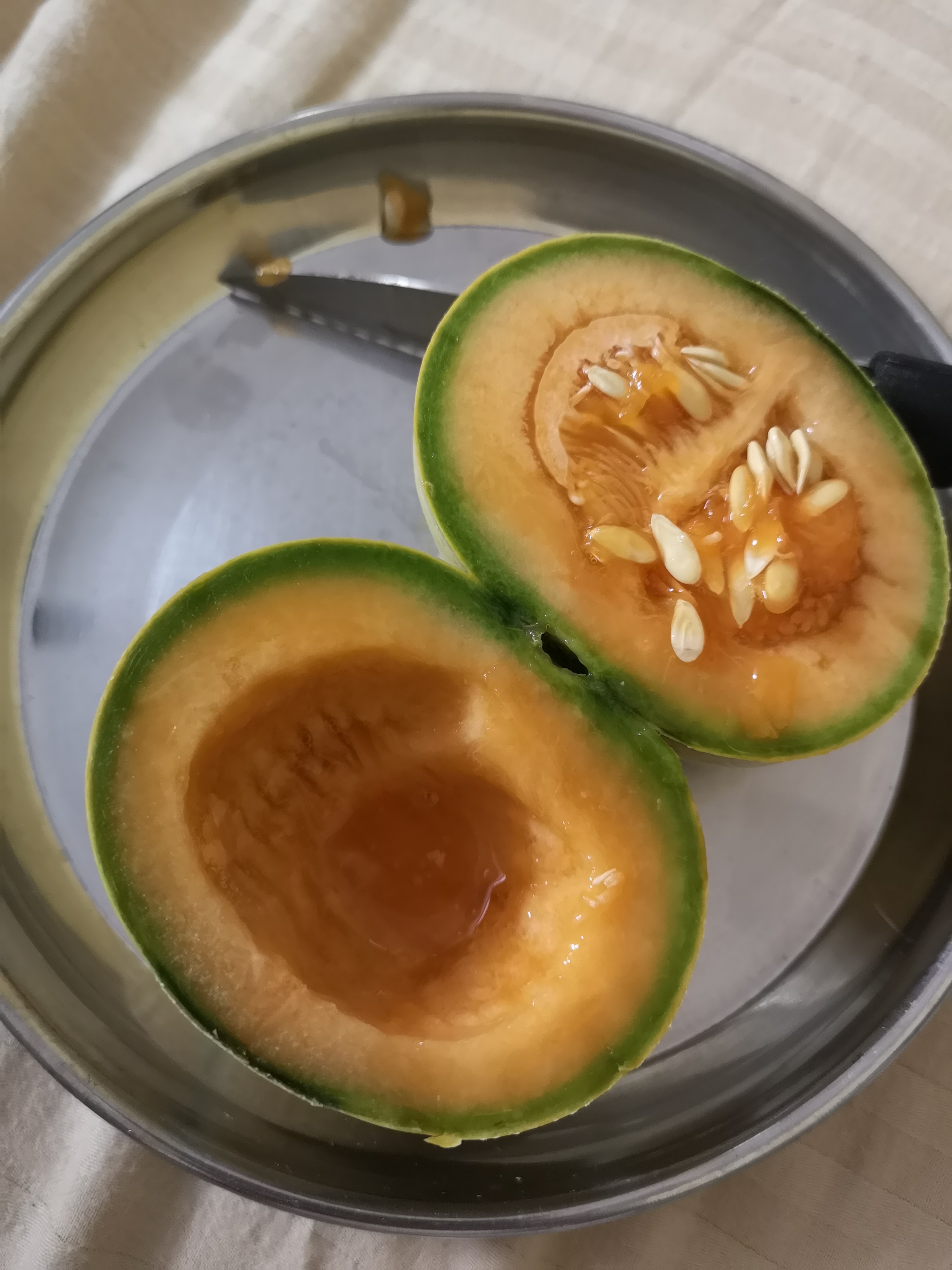
Looks like the seller gave us a sapling from the wrong tray. I have never grown a musk melon before so this whole process was utterly fascinating, especially the back and forth every few days wondering if it was Kachri or a musk melon. The aroma was so intoxicating (may be more so after all the drama) that I kept walking to the kitchen to smell it every half an hour. We compared it to the musk melon we had bought the previous day. The size isn’t too small in spite of the limited resources. I am not a fan of musk melon but this one was the most wonderous fruit I have had in my lifetime. Definitely a keeper in the list of plants to grow next spring.

Dilli Diary

Terrace gardening

We are more than one year old in Delhi now. Gardening was among many of the items on the list ‘struggle to adjust’. One of the reasons we chose this rental place was the huge terrace (double the size of the living space) and the potential to have a bustling veggie garden. It has been a bumpy road to say the least.

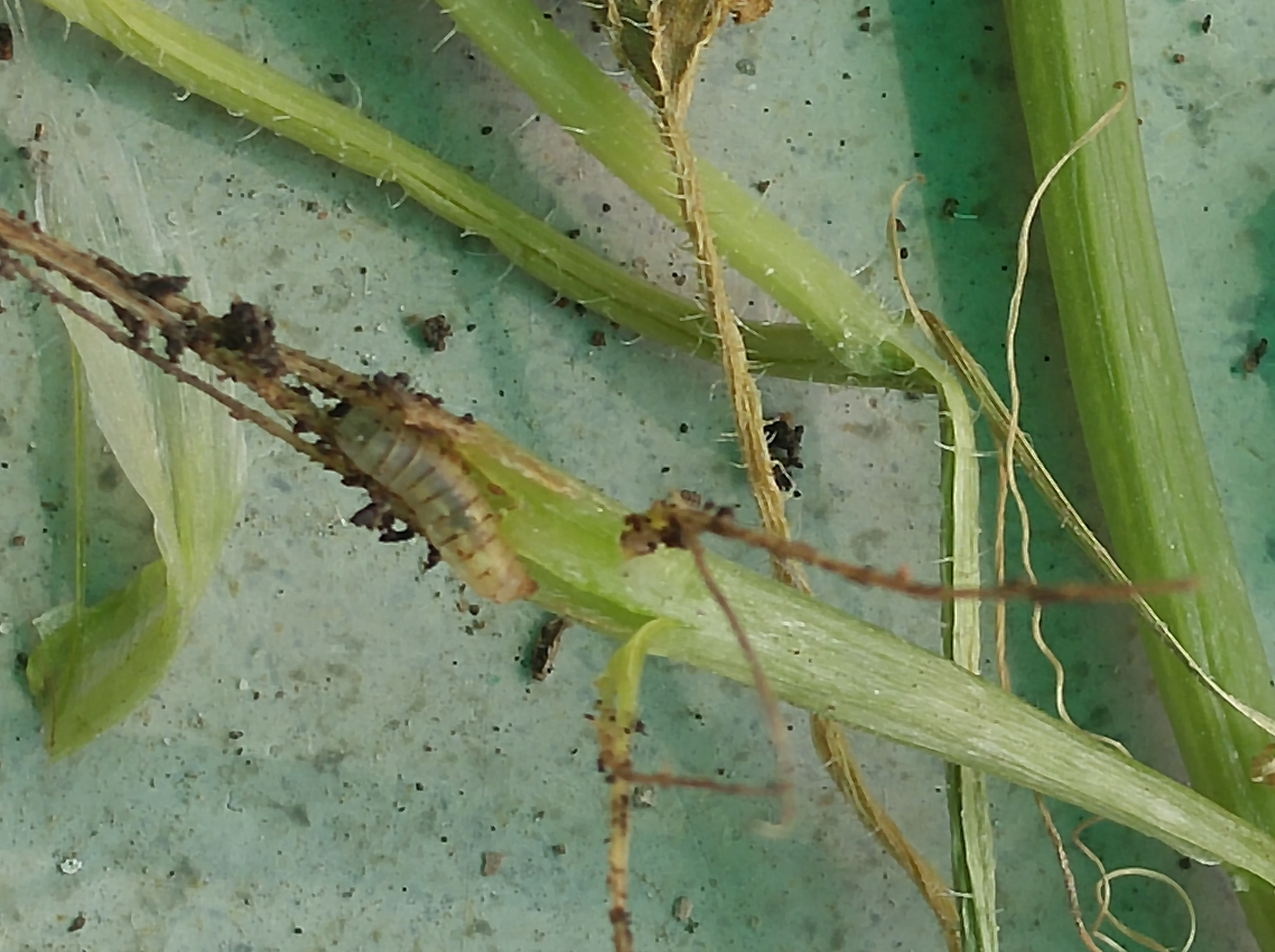
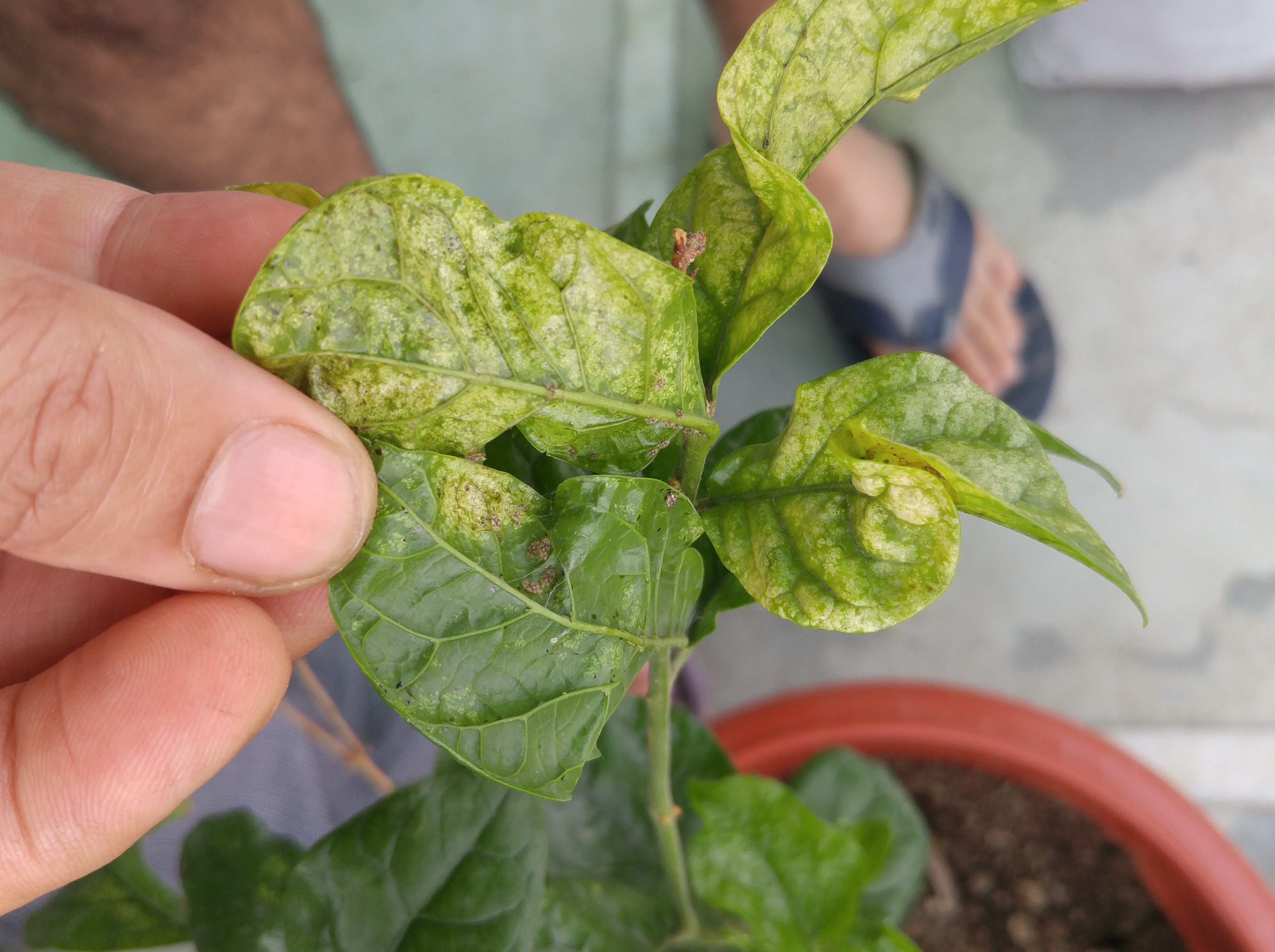
The weather was perplexing. How do you get any length of any season when you go suddenly from bitter cold to extreme heat? The warming up in March brought insects and infestations like I have never seen before. Aphids, white flies, and things unknown to me that burnt the plant to a stick in just one day. Then there were birds – mostly pigeons and peacocks that feasted on every young shoot in sight, leaving nothing to grow to even a foot of height.

I was cleaning old photos today and found many many photos of plants, infestations, and other garden related things, captured to share with my facebook and whatsapp groups. They have been a godsend. It was amazing to see how the terrace garden has grown to what it is now in spite of all this, from the first three pots left by previous tenant and some plants I got from Pune. And more importantly, the photos of veggies we ate in between since last June and now. Overall, a mixed bag.

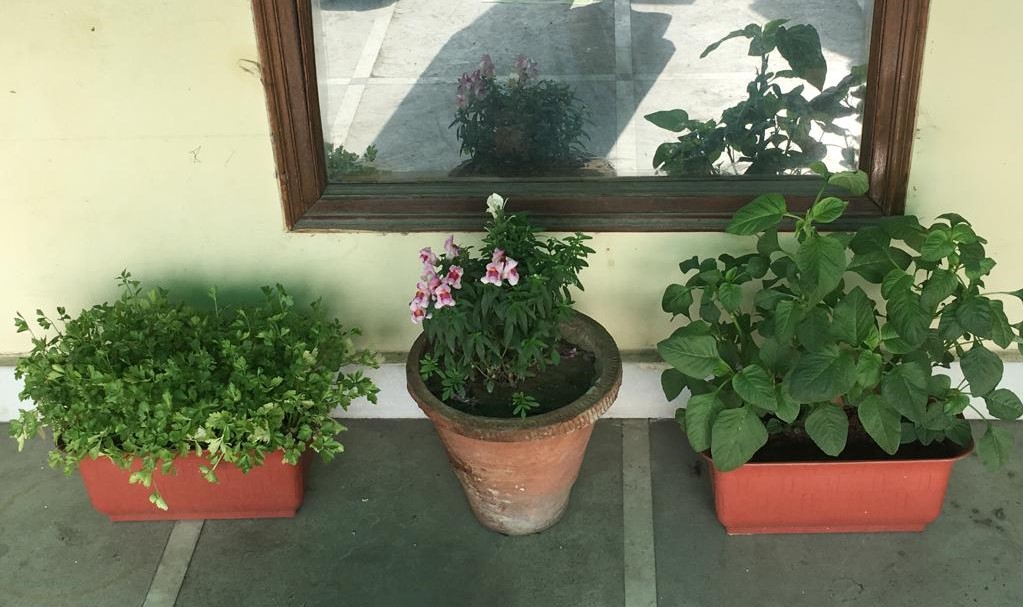
The starters from Pune and initial plants bought in Delhi:

Some photos of produce, flowers, and seedlings. I need to take more as motivators to flip through when going gets tough 🙂